Why Developers Cheer the Pope's AI Move
In May 2026, Pope Leo XIV's AI encyclical Magnifica Humanitas earned 800 points on Hacker News. We unpack the paradox of AI builders cheering a document that warns against AI — and what it means for global AI governance and finding export buyers in practice.

The Pope Put the Brakes on AI — Here's Why Developers Loved It
TL;DR As AI ethics becomes a tangible variable in global B2B trade, 800 AI developers rallied behind a papal warning document. This isn't just a talking point — it's a signal that exporters targeting EU buyers and companies navigating the EU AI Act need to get ahead of shifting due diligence standards. Here's why AI ethics is now an export competitiveness issue, and how to prepare.
The people who build AI the most just gave 800 upvotes to a religious document warning against AI. If you work in export sales, that sentence should feel slightly off. It should. This is not just a viral news story.
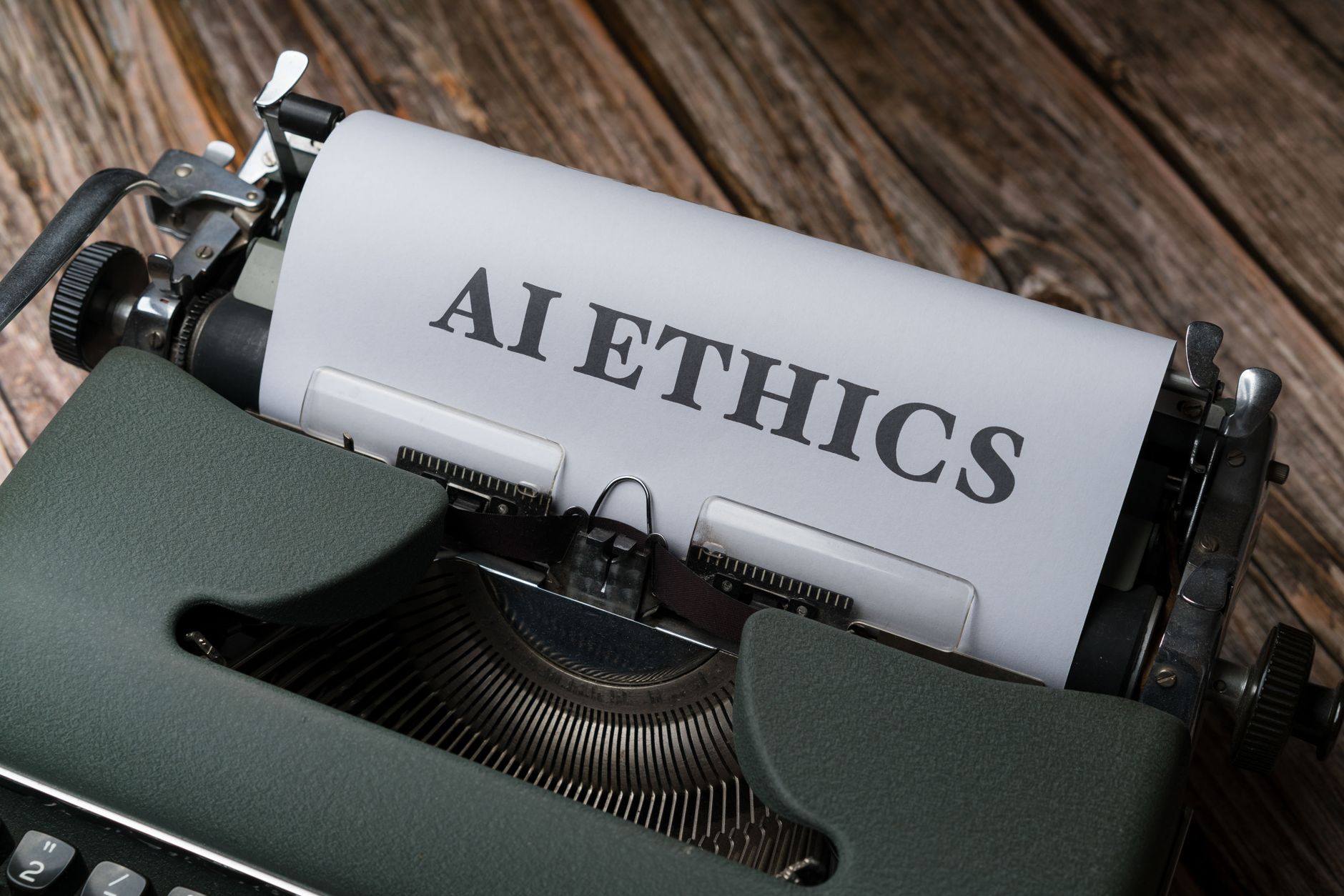
Where the AI Ethics Conversation Ignited: 800 Developers Voted on a Papal Document
In May 2026, Pope Leo XIV's encyclical Magnifica Humanitas hit Hacker News with 800 points and 348 comments. HN is Y Combinator's tech link-sharing community, read primarily by Silicon Valley developers, AI engineers, and tech founders. For context: a GPT feature announcement on the same day got 300 points. That gap says something.
Was it idle curiosity, or a sign that ethical fatigue inside the industry had reached a tipping point? Reading through the HN comment thread, two camps emerged in near-equal measure: "Finally, someone said this officially" versus "Does religion have standing to judge technology?" What's telling is that both reactions assumed the reader had actually read the document seriously. The paradox here is that the people building AI are hungry for AI ethics discourse — and that's the real story.
What Magnifica Humanitas Actually Says
Based on the Vatican's official release and published summaries, the encyclical makes three core arguments. First, AI must not operate in ways that replace or diminish human labor, creativity, or dignity. Second, technological development must serve the common good. Third, algorithmic bias and automation-driven inequality must be addressed at the design stage — not patched in after the fact.
A word of caution: without reading the full original text, interpreting this as "the Vatican banned AI" or "approved specific technologies" would be an overreach. Within the scope of what's publicly available, this document reads more as moral direction than legislative regulation. But that's precisely why it's generating attention — the theological language contains very specific technical criticism. The framing around "system designs that delegate human judgment to algorithms" maps remarkably closely to the high-risk AI system classifications in the EU AI Act.
It also matters that Leo XIV is the first American pope. For U.S. big tech, a papal AI warning from a fellow American carries a different kind of symbolic weight. The moral pressure lands differently.
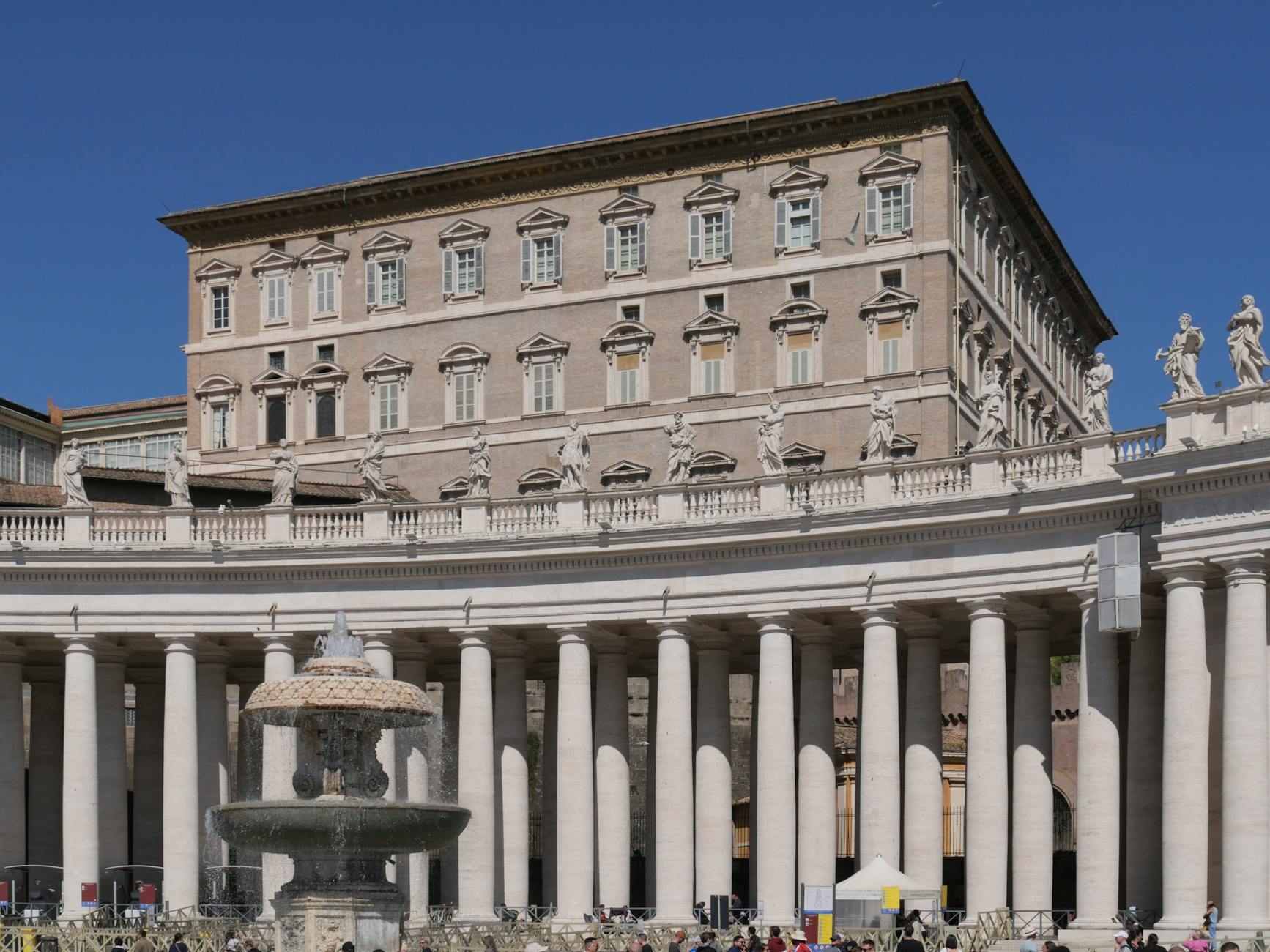
Why Moral Authorities Are Filling the Global AI Governance Gap
The EU AI Act entered into force in 2024, but full enforcement of high-risk AI system rules is still years away. U.S. executive orders on AI have shifted direction with each administration. As the gap between the pace of AI development and the pace of state-led governance widens, non-governmental moral authorities are stepping into that space.
This isn't unique to the Vatican. The Organisation of Islamic Cooperation (OIC) is developing Islamic AI ethics principles. Countries with strong Buddhist and Confucian traditions across Asia are issuing declarations emphasizing collective values and social harmony. According to the OECD AI Policy Observatory, more than 60 countries had published national AI strategies as of 2025 — but far fewer have regulations with real enforcement teeth (OECD AI Policy Observatory, 2025). That gap is exactly the space moral authorities are moving into.
This isn't simply a story of governance shifting "from states to international bodies." It's a signal that governance itself is becoming multi-layered. For Korean exporters watching the global AI regulatory environment, the key question is how this fragmented normative landscape will eventually show up in buyer due diligence standards.
How the EU AI Act Is Changing Buyer Due Diligence — What Exporters Need to Know
To be direct: the Vatican's declaration isn't going to change how AI engineers write code tomorrow. But the direction of travel matters. European and North American buyers are increasingly adding their supply chain partners' AI usage practices to due diligence checklists. The immediate trigger is EU AI Act compliance obligations, but the broader context is tightening ESG reporting and ethical sourcing standards.
Why does this matter for Korean exporters right now? Because it's already showing up at the buyer discovery stage. RFQs and initial communications are beginning to include questions like: "Can you describe how your company uses AI tools?" It's not a standard question yet — but if you work with European buyers, there's a good chance you've already seen it. Better to position yourself proactively than to have an unprepared answer erode trust early.
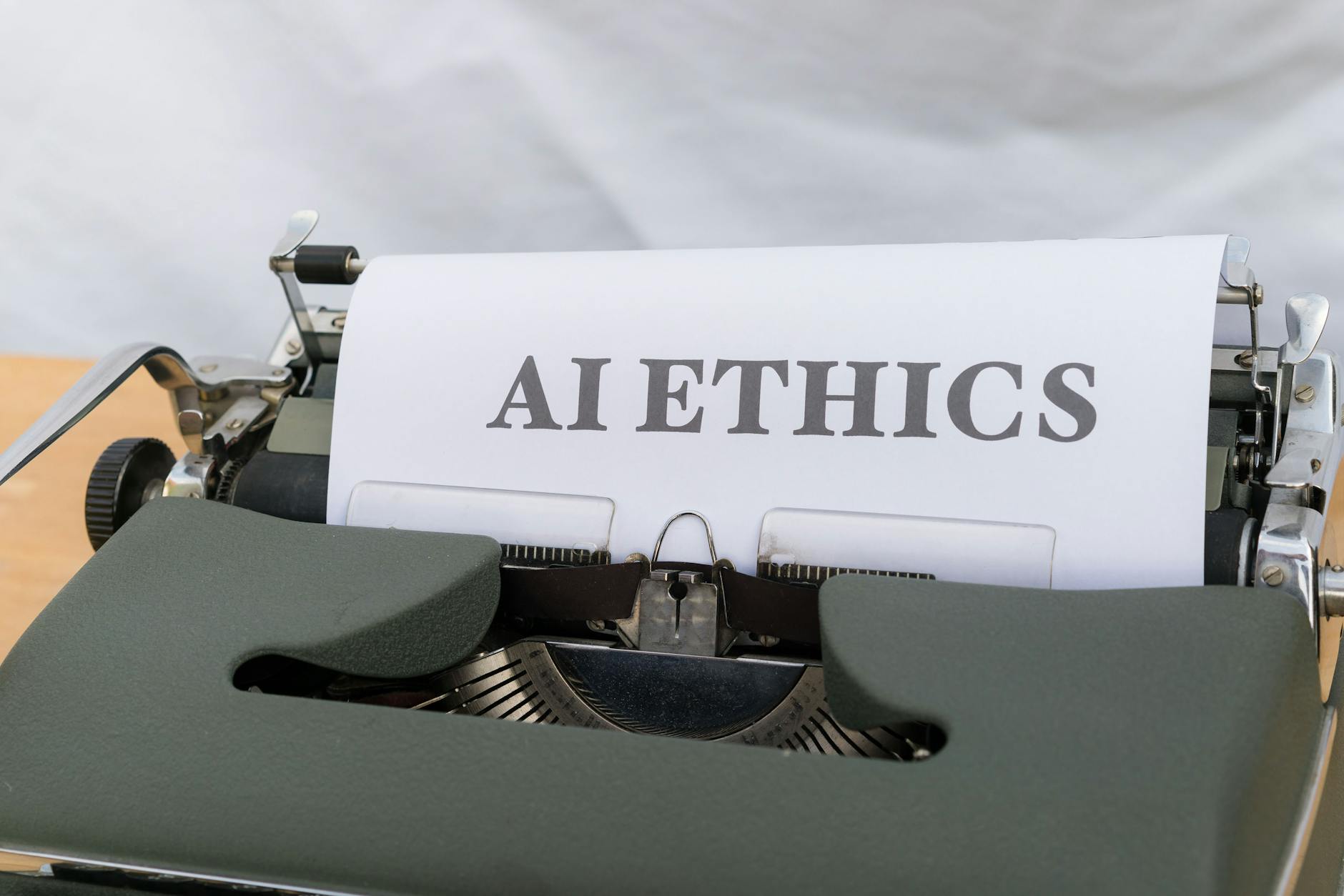
AI Tool Risk Checklist for Export Sales Teams
Here are three ways to turn the AI ethics conversation into a business advantage.
① Proactively disclose how you use AI in buyer communications Consider adding a single sentence to your initial emails or company profile: "We use AI tools to support buyer discovery and early-stage outreach, but all final decisions and contract reviews are handled by our team directly." It's a small addition, but it sends a clear transparency signal to European buyers.
② Three checkpoints when auditing your export AI tools for risk:
- Data source transparency: Confirm where your buyer database was sourced. Check whether it falls under GDPR jurisdiction.
- Algorithmic bias risk: Periodically verify whether buyers from certain countries or language groups are being systematically excluded.
- Automated outreach review: For fully automated outbound emails, run at least a monthly sample review to ensure messages are contextually appropriate for recipients.
③ Sources for monitoring global AI governance developments:
- OECD AI Policy Observatory — real-time updates on national AI policy
- EU AI Act official site — enforcement timelines and sector-specific application criteria
- Vatican official channel — full text and summary of Magnifica Humanitas
- KOTRA Overseas Market News — regulatory environment updates by buyer country
Within our observation scope, companies that transparently communicate their AI usage during the buyer discovery phase tend to build initial trust more effectively (Rinda platform internal observations, 2025). Note that this reflects patterns observed within the Rinda platform and may vary by industry and buyer country.

What AI-Skeptical Developers Are Signaling to Global Exporters
It's worth returning to that moment: 800 points on Hacker News for a papal encyclical. The people most actively discussing AI ethics aren't humanities scholars or policy wonks — they're the engineers building the systems. We're not watching the end of tech optimism. We're watching tech optimism acquire a layer of self-criticism.
This shift is likely to translate into AI ethics criteria becoming increasingly important in relationships with global buyers. Even before direct regulation arrives, building AI ethics into your export competitiveness story — as part of trust-based business development — is a trend that's hard to ignore.
Author · Rinda Export Sales Research Team (Research editor specializing in overseas buyer discovery and export sales automation)
Drawing on buyer pipeline data from 200+ Korean exporters and internal observations from the Rinda platform, we publish actionable strategies and checklists for export practitioners.
If you're an export sales professional interested in AI-driven buyer discovery and sales automation, Rinda is worth exploring. You can see firsthand how the platform automates everything from buyer database sourcing to cold email outreach — and what design choices have been made with AI ethics compliance in mind. For a broader look at export automation, the case materials at Grinda are also worth a read.
Frequently Asked Questions
Q. Where can I read the full text of Magnifica Humanitas? A. The full text and official summary are available at the Vatican's official website (vatican.va). We recommend reading the published summary as your starting point, and avoiding definitive "permitted/prohibited" interpretations without reading the complete original.
Q. What's the difference between the EU AI Act and the papal encyclical? A. The EU AI Act is a legally binding regulation that imposes compliance obligations on companies using high-risk AI systems. The encyclical is a document of moral and ethical direction — it carries no legal force. That said, both documents identify algorithmic bias, human alienation through automation, and lack of transparency as core problems, which is a notable convergence.
Q. How do I check for GDPR violation risk when using AI tools for export buyer discovery? A. The first step is to ask your buyer database provider directly: on what legal basis (legitimate interest, consent, etc.) was personal data from EU residents collected? Refer to the EU GDPR official guide alongside your national data protection authority's GDPR compliance guidance.
Q. Do small and mid-sized Korean exporters really need to prepare for AI ethics compliance now? A. EU AI Act obligations are being phased in, with high-risk AI system rules set to take full effect from 2026 (EU AI Act official enforcement schedule, 2024). Even for SMEs, if you sell to European buyers or use AI tools in sales and marketing, it's worth establishing a basic internal review process now — before buyer due diligence questions catch you off guard.
Sources
You don't have to figure export out alone
From finding buyers to closing deals, Rinda is with you. Book a free 30-minute chat to see how we can help.