





Win export buyers
in 150+ countries
Your AI agent finds overseas buyers and emails them in their language — so you book meetings, not lists.
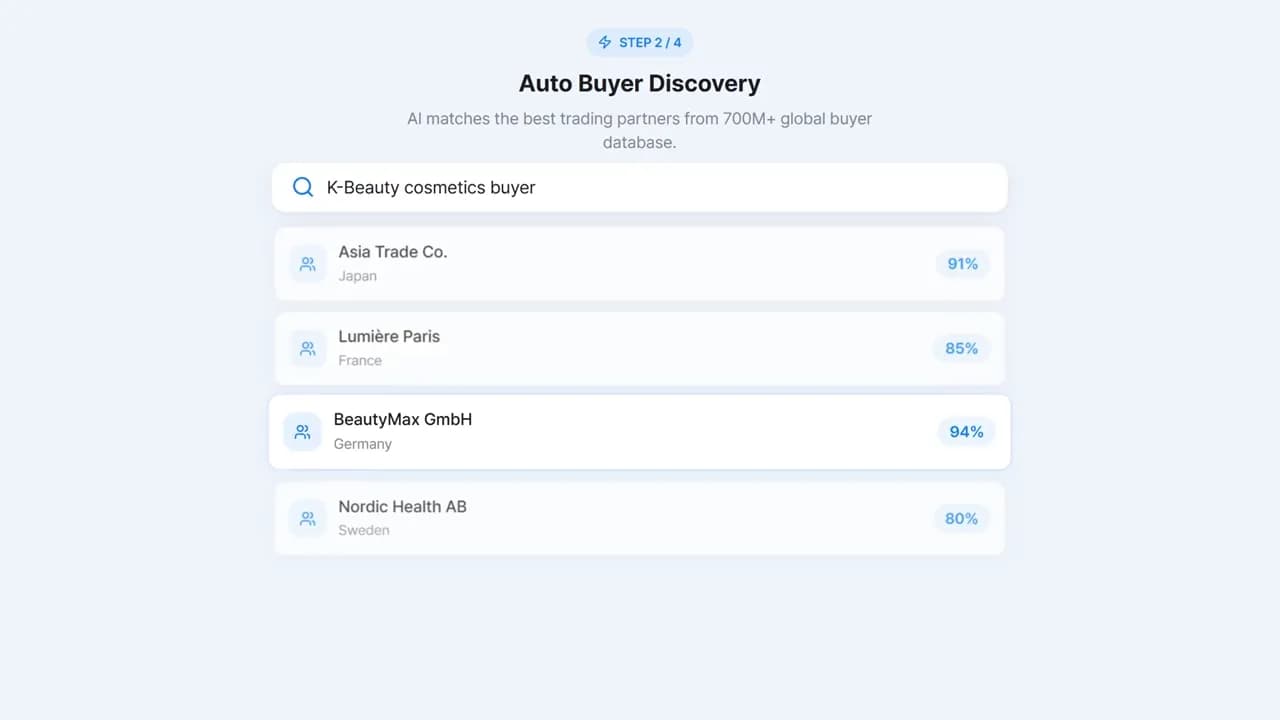
Verified buyers on the Rinda network






Your buyers are already here
Buyers you could be emailing this week
Real importer segments already inside Rinda. Pick a market — Rinda finds the companies, writes in their language, and books the meeting.
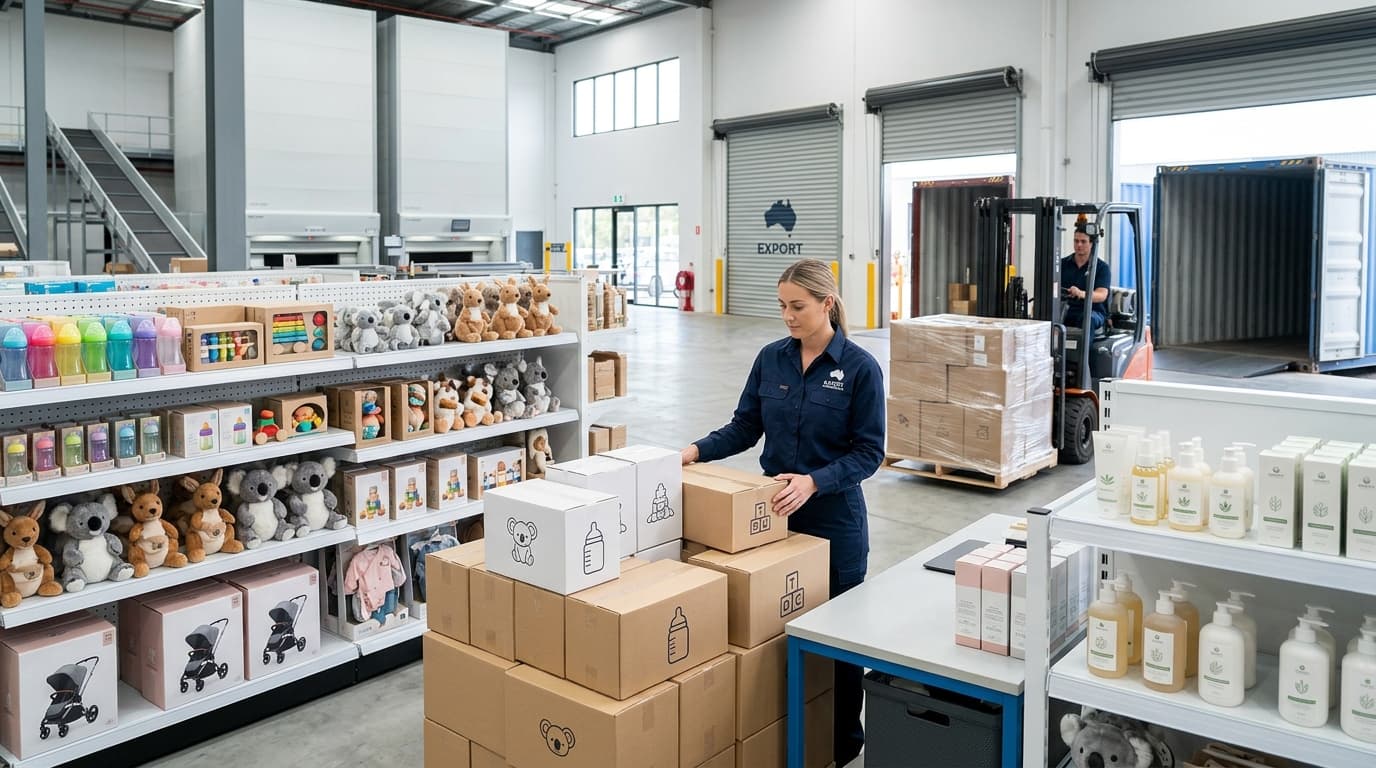 🇦🇺Australia
Baby & Kids
Verified importers · ready to contact
Go after this market 🇦🇺Australia
Household Goods
Verified importers · ready to contact
Go after this market 🇦🇺Australia
Medical Devices
Verified importers · ready to contact
Go after this market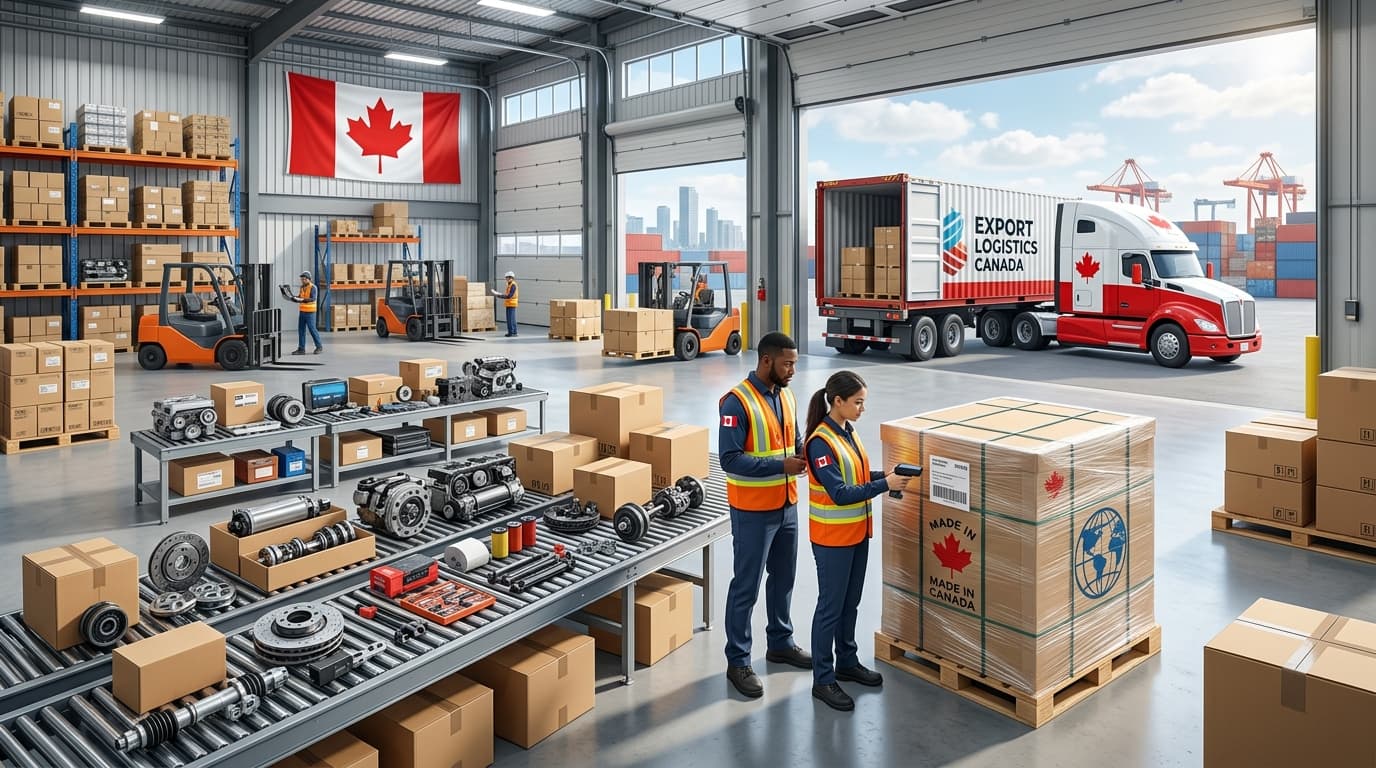 🇨🇦Canada
Auto Parts
Verified importers · ready to contact
Go after this market 🇨🇳China
Cosmetics & Personal Care
Verified importers · ready to contact
Go after this market 🇩🇪Germany
Fashion & Apparel
Verified importers · ready to contact
Go after this market 🇩🇪Germany
Pet Food
Verified importers · ready to contact
Go after this market 🇫🇷France
Health Supplements
Verified importers · ready to contact
Go after this market800M+ verified buyer contacts across 150+ countries — matched to what you sell.
Find my buyers — freeHow it works
One agent. The whole outbound loop.
From a cold market to a booked meeting — Rinda runs every step, and you approve before anything sends.
Find verified buyers
Tell Rinda what you sell and where. It returns importers, distributors, and retailers matched to your product.
Verify & enrich
Every buyer is checked against trade and customs records and scored for fit — real companies, not a scraped list.
Write in their language
Rinda writes the cold email natively — like a local wrote it, never a machine translation.
Send, follow up & book
Approve the queue. Rinda sends, follows up on every reply, and books the meeting — around the clock.
The payoff
More meetings booked — without hiring reps, translating, or juggling five tools.
The native-language moat
Your buyer reads it like a local wrote it.
Not machine-translated. Rinda writes each cold email natively in 20+ languages. Here's the same message — pick a market.
Subject
Bio-Hautpflege aus Korea für Ihr Sortiment
Hallo Frau Schmidt, Ihr Team kuratiert saubere Beauty-Marken. Wir stellen EWG-zertifizierte Bio-Hautpflege her — EU-konform und Private-Label-fähig. Darf ich Ihnen ein Line Sheet und ein paar Muster schicken?
Sample message. Rinda tailors every email to the buyer's company and your product.
Sample output — see what you get
See sample overseas buyers for your product
Describe what you sell and get ranked, verified buyers plus a ready-to-send email — no account required to preview.
You tell Rinda
“Organic skincare, B2B wholesale, target market: United States”
Rinda returns
Beauty retail importer
United States · sourcing clean beauty
Wholesale distributor
Germany · organic range
Online marketplace buyer
Japan · K-beauty category
Sample cold email Rinda drafts for you
Subject: Korean-made organic skincare for your shelves Hi — I saw your team curates clean-beauty brands. We make EWG-verified organic skincare, private-label and EU/US compliance ready. Could I send a line sheet and a few samples?
Example output. Your matches are generated for your own product and market — request a free preview to see real ones.
Built to be trusted
Verified data. Inboxes reached. Your domain protected.
The three questions every exporter asks — answered up front.
Verified, not scraped
Checked against trade & customs records across 150+ countries — never a scraped list.
150+ country coverage
Importers, distributors, and retailers matched to your product, worldwide.
Native-language quality
Written natively in 20+ languages — reads like a local wrote it, not a machine.
Lands in the inbox
Warmup, sending caps, and complaint guardrails protect your own domain's reputation.
It starts with one email —
here's where it led
Companies across industries are meeting overseas buyers through Rinda
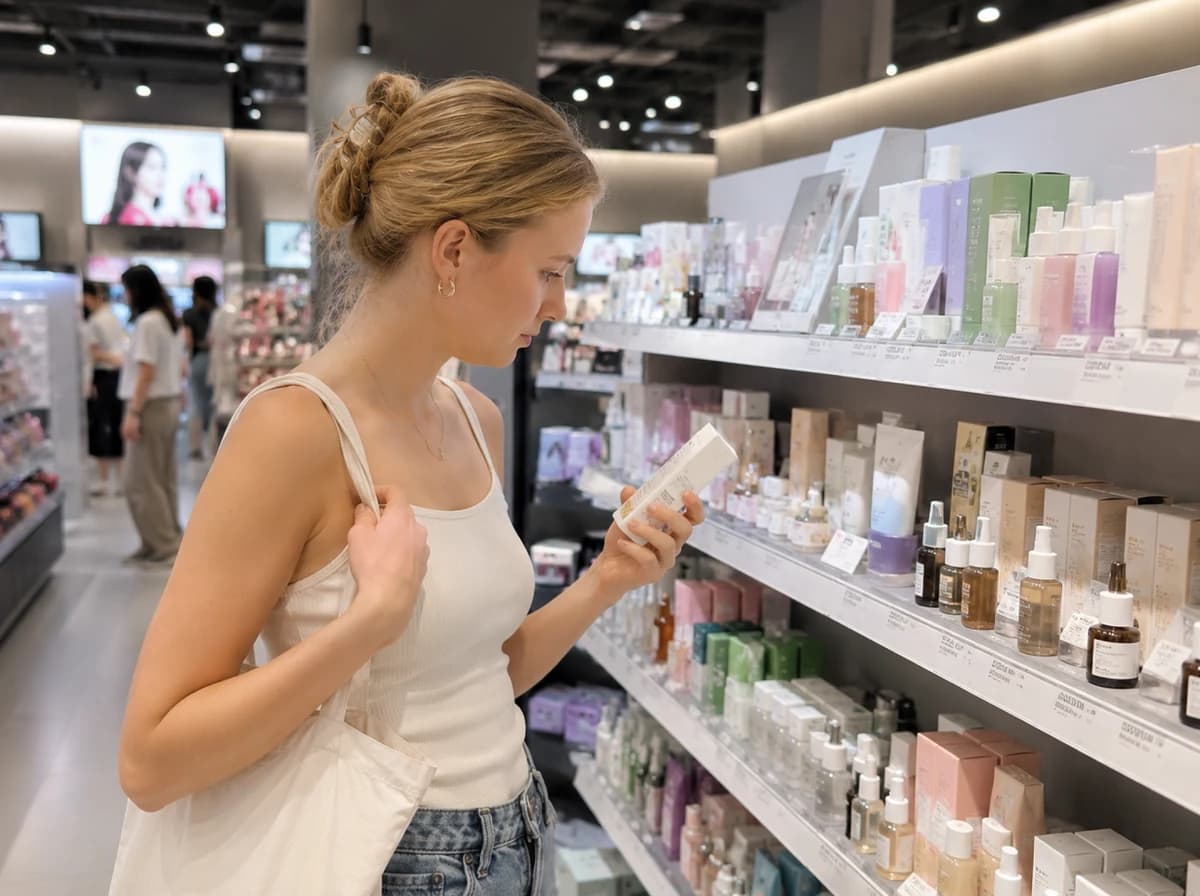 Market entry
Cosmetics distributor
Marketing partnership talks in Malaysia
 First contract
Biotech company
USD 100,000 exported to a Chinese buyer
 First contract
Bedding brand
Now stocked at ROBINSON department store in Singapore
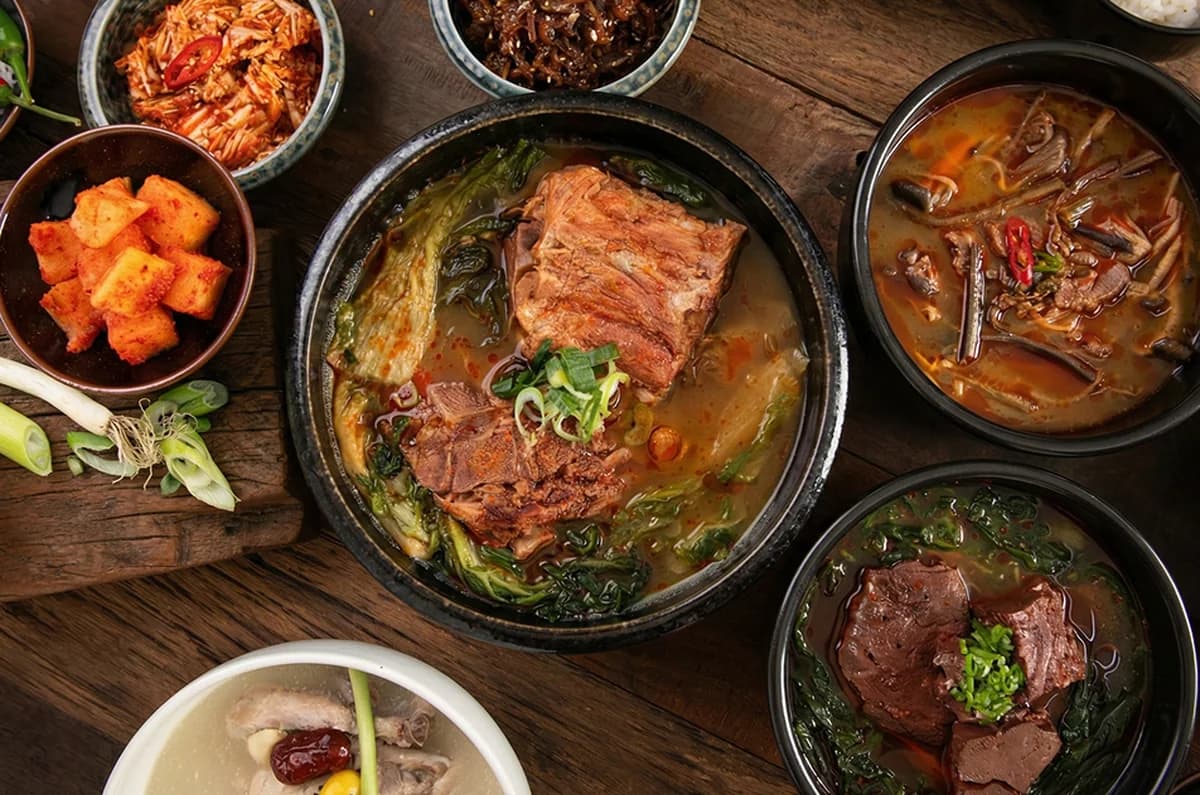 First contract
Food brand
Export contract in progress with a US food distributor
 Buyer contact
Household goods maker
Initial volumes under discussion with 2 major US distributors
 Buyer contact
Cosmetics brand
Minimum order quantities under discussion with several Middle East buyers
 Buyer contact
Industrial sensor maker
Joint market entry underway with a US distributor
 Market entry
Cleaning O2O platform
2 local partners secured in Singapore
 Market entry
Korean language education
MOUs signed with top universities in Vietnam and China
Exporter results
Teams selling across borders with Rinda
Rinda replaced hours of manual research with filtered, ready-to-use buyer lists. I can match by industry and role without any Googling, then launch campaigns directly — it's dramatically improved our team's productivity.
Setting up campaign sequences takes minutes, and emails go out automatically with smart follow-ups based on engagement. We're nurturing leads we would have lost before, and our pipeline has never looked better.
We built a targeted list of boutiques and distributors across 12 European countries in a single session. One campaign replaced months of manual outreach — our sales efficiency improved immediately.
From buyer discovery to email campaigns to response tracking — everything lives in one place. Our small team now operates like a much larger sales org. The unified inbox alone saved us hours each week.
I used to spend full days building prospect lists in Excel. Now I set my filters and get a verified buyer list with a compatibility score for each match. It's a completely different workflow.
Generic blast emails are dead. Rinda's AI adapts each message to the recipient's company context, so our cold outreach finally gets read and answered.
Shared workspaces mean everyone on the team sees the same buyer lists and campaign progress. No more duplicate outreach or missed follow-ups. It's exactly what a distributed sales team needs.
Illustrative examples based on typical customer outcomes.
Compliance & security
Compliant and safe — by default.
CAN-SPAM, GDPR, and Gmail/Yahoo rules handled automatically — your company never carries the risk.
CAN-SPAM & GDPR compliant
Valid postal address, automatic opt-out, region-aware sending.
You approve every send
Nothing leaves your queue until you sign off — with a full audit log.
We never train on your data
Your buyers, emails, and replies stay yours — per-tenant isolation, no training.
Transparent pricing
Start free. Scale when it works.
Two weeks free, no credit card. One overseas rep costs $40,000+ a year — Rinda starts at $129/mo and covers every market at once.
Pro
For founders and small export teams
- 1,000 buyer lookups / month
- 5,000 native-language emails / month
- Auto follow-up & reply detection
- 150+ countries · 20+ languages
Team
For scaling cross-border sales
- 3,000 buyer lookups / month
- Shared workspace & pipeline
- Dedicated success manager
- Everything in Pro
Need more volume or done-for-you outreach? Talk to sales
Prices in USD. Cancel anytime.
Frequently Asked Questions
Recognized & backed by
Rinda is built by GrindaAI — selected and featured by leading industry and government programs.
World IT Show 2026
Featured exhibitor
Hana Bank Agile Lab
Batch 17 cohort
Data Voucher Program
Supplier, 2 years running
Gwangju AI Voucher
Selected supplier
So exporting no longer takes a leap of faith
We strip away the complexity of global sales so more companies can reach the world
Ready when you are
Your next overseas buyer is one campaign away.
Start free for two weeks. No credit card. You approve every send.
Free 2-week trial · No credit card · Cancel anytime