Finding Global Buyers Without Trade Shows
We analyze why trade show business cards often fail to lead to contracts and provide three practical, data-driven strategies to achieve real export results through targeted digital trust building.
Have you spent a fortune attending overseas trade shows, only to return with a stack of business cards that never result in a single response? You send out ambitious proposals that don’t even register as 'read', and your carefully planned export consultations always end in a vague, 'We will consider it.' The reality is that today’s buyers often make decisions online long before they ever talk to a salesperson. In fact, most B2B buyers now conduct thorough digital research before ever making contact. In today's market, precise buyer outreach based on data is your best survival strategy compared to old-school, legwork-heavy sales.

The Real Reason Trade Show Business Cards Don’t Become Contracts
Every year, countless SMEs test the waters of the global market, but the conversion rate for offline channels keeps dropping. According to the 2023 Export SME Survey by KOTRA, buyers no longer make impulsive purchases just because they met you at a trade show. Instead, they verify company credibility via search engines or LinkedIn. If your 'digital credibility' is lacking, even the best products get pushed aside. It is vital to position your expertise where buyers are already looking, rather than just chasing exposure.
Targeting the 'Real Market' with Data, Not Intuition
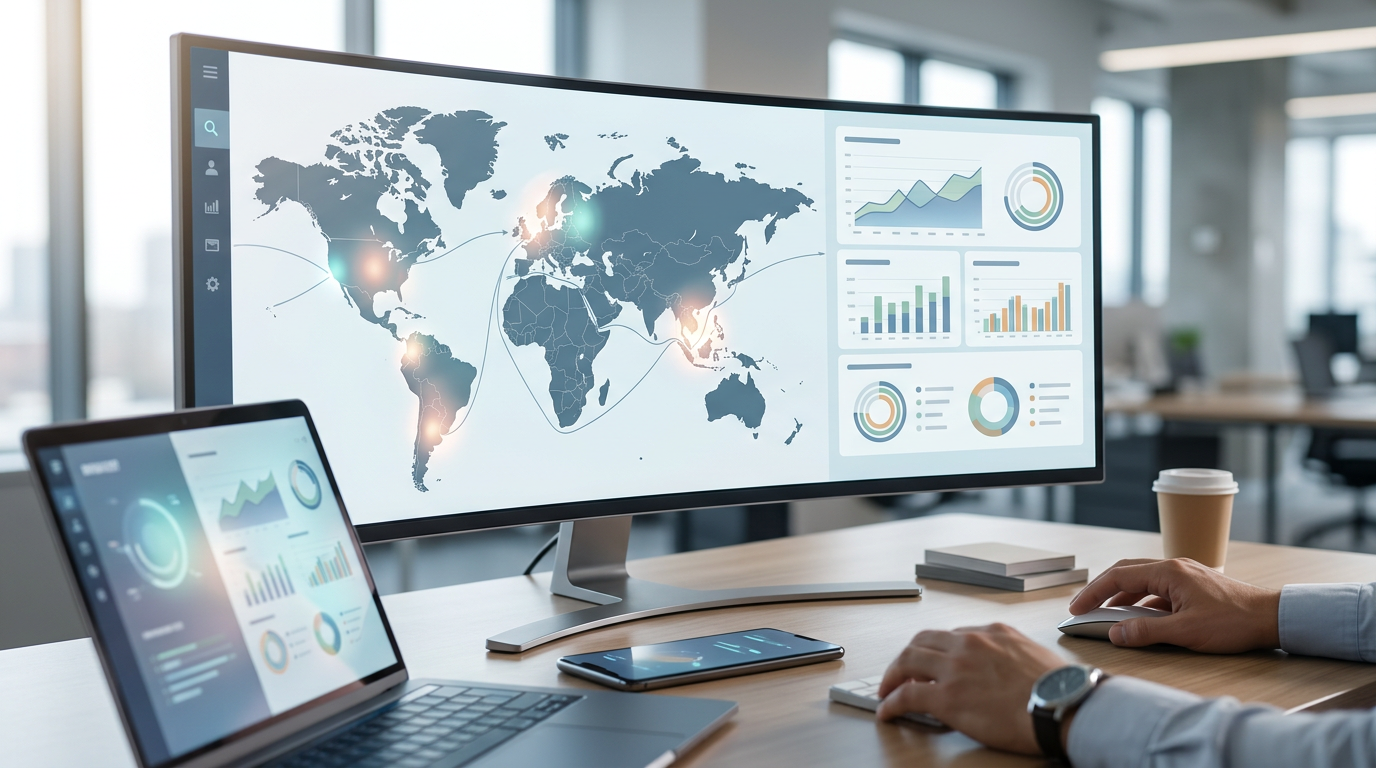
Are you still following a vague strategy like 'Let's just start with the US'? For successful export marketing, you must prove where demand for your product is spiking through data. Utilize the KITA Trade Statistics to analyze import trends by nation based on HS Codes. If a country shows more than 20% growth in imports year-over-year, that is your primary target. Beyond identifying the country, define your 'Ideal Customer Profile (ICP)'. The more granular you define their company size and core categories, the more your targeting accuracy will soar.
[Case Study] How Company A Landed Large Buyers with Zero Ad Spend
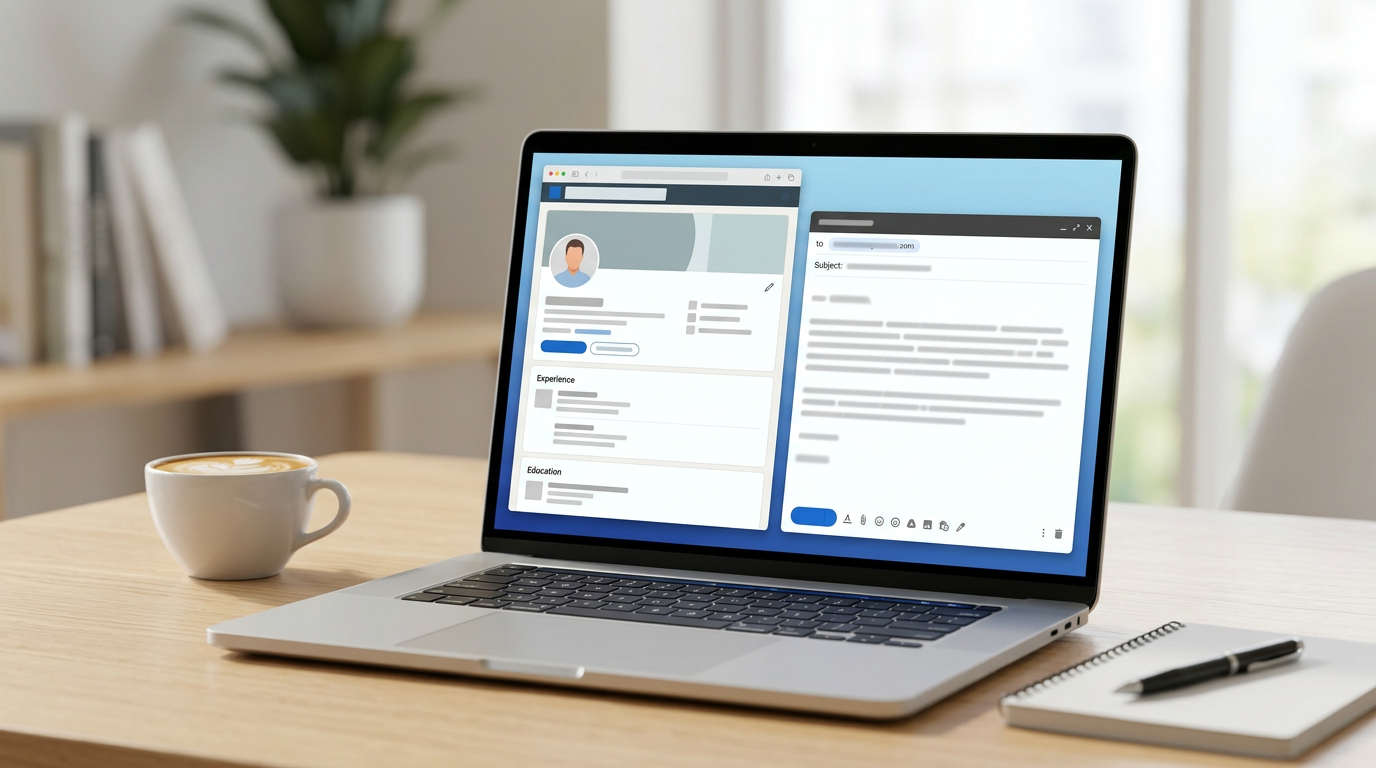
Company A, a domestic manufacturing SME, secured over five major new buyers annually using only multilingual SEO and LinkedIn. The secret was simple: they optimized their website with technical keywords buyers search for on Google to secure inbound leads, and reached out to decision-makers via cold LinkedIn messages. The key wasn't bragging about their products; they identified the buyers' specific pain points—like production delays—and proposed direct solutions. This strategy boosted their email open rates above 30% and generated real export consultation opportunities.

3-Step Verification to Stop Wasting Time on 'Fake Buyers'
There is nothing worse than investing time into a conversation only to find out the buyer is a shell company. To prevent export scams, always conduct due diligence. Use the K-SURE Credit Investigation or K-Report to objectively assess a company's financial health. Furthermore, 70% of a contract’s fate depends on your follow-up after the first meeting. Summarize the buyer's pain points discussed during the consultation and prepare a follow-up template that clearly outlines next steps, such as sending samples or arranging a video call.
Automated Systems to Turn One-time Buyers into Long-term Partners
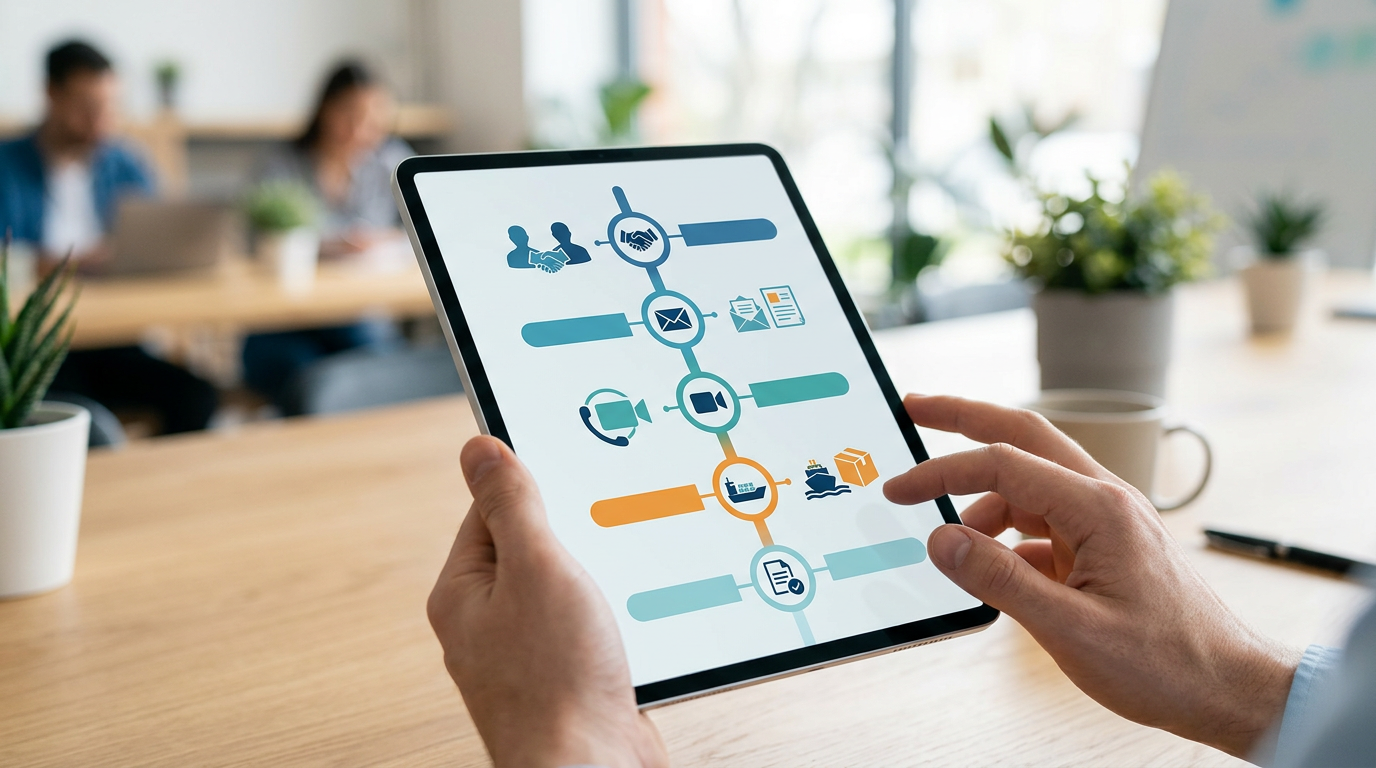
Most consultations stay one-off because of a 'lack of management.' Valuable buyer lists often end up forgotten in Excel files when employees change or time passes. IDC reports suggest that companies adopting digitized CRM systems improve sales productivity by up to 30%. Even if you aren't ready for a complex system, 'lead nurturing'—recording history and periodically sending useful information—is a must. This small difference is what drives long-term export marketing results.
Building data-driven analysis and efficient processes from scratch can feel overwhelming. Consider utilizing overseas buyer databases and automation solutions like RINDA to save time, or explore the AI export automation services of Grinda to calibrate your strategy. The most important thing is to move beyond existing habits and start looking at the data today.
Q&A: Top 3 Questions from Export Professionals
Q1. What is the most important metric to check when finding buyers? First, check the import growth rate by HS Code for our product. Opportunities are where the market pie is expanding. Next, assess the entry barriers by checking competitor activity indices and local tariff rates in that country.
Q2. When should I follow up with a buyer who hasn’t responded? The standard is to send a thank-you note within 24 hours of the meeting and a reminder with a concrete proposal a week later. If they haven't responded after three follow-ups, continue building the relationship by periodically sending high-value info like product updates or industry reports.
Q3. What can budget-conscious SMEs start doing for export marketing right now? Start by optimizing your LinkedIn profile and registering for Google Business Profile. It is the fastest, zero-cost way to appear in global search results. A well-crafted English landing page that clearly articulates your product’s value can be more effective than spending thousands on ads.
Sources
You don't have to figure export out alone
From finding buyers to closing deals, Rinda is with you. Book a free 30-minute chat to see how we can help.