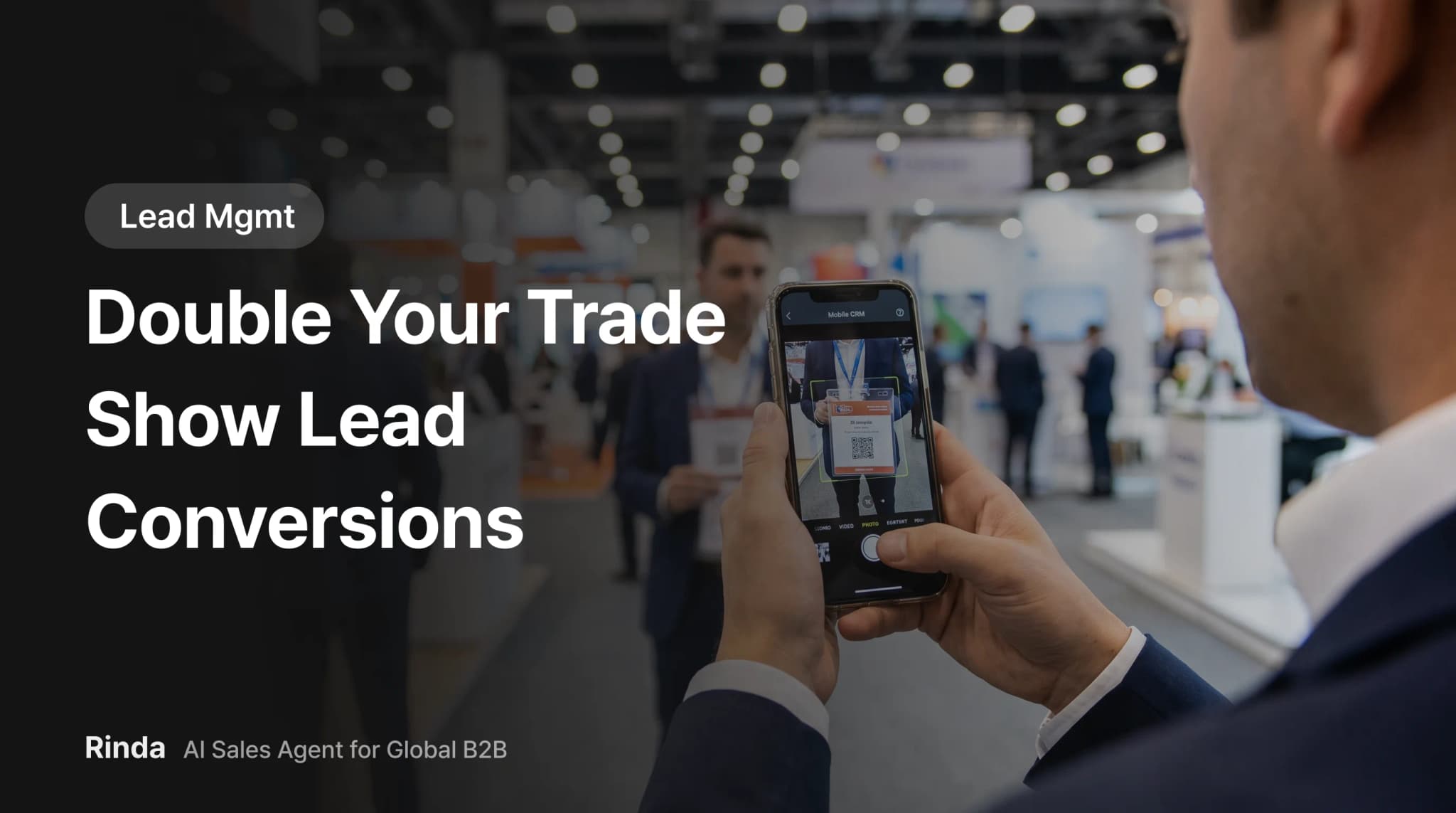
Double Your Trade Show Lead Conversions
70-80% of leads collected at overseas trade shows are lost due to poor follow-up. By systematizing your pre-, during, and post-show processes, you can double your buyer acquisition results without increasing your budget. From lead list building to 48-hour follow-ups and KPI tracking, here is your practical strategy.
You see hundreds of visitors at your booth, yet only one or two deals materialize back at the office. This pattern sounds familiar, right? Costs for overseas trade shows—including booth construction, travel, and logistics—can range from tens of thousands to hundreds of thousands of dollars. Yet, it remains an old but true analysis by CEIR (Center for Exhibition Industry Research) that 70-80% of collected leads are abandoned without any follow-up. The problem isn't the trade show itself, but the lack of a structured lead management process.
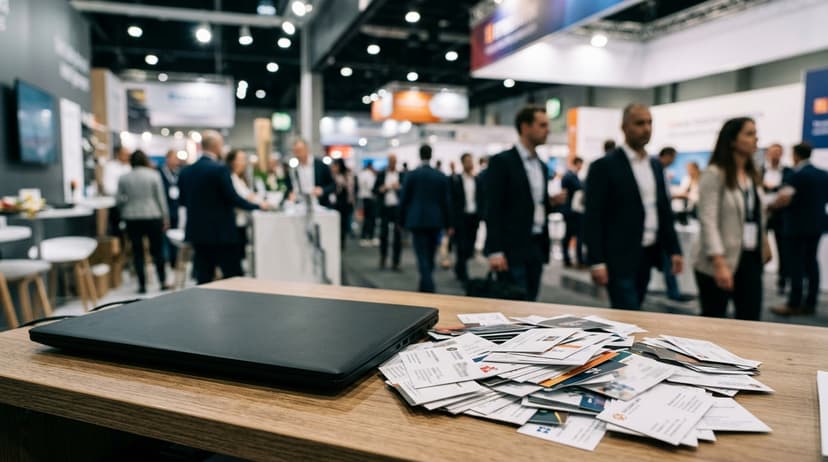
Hundreds of Business Cards, But No Revenue? Here’s Why
The misconception that 'collecting business cards = successful buyer acquisition' creates a structural failure. It feels productive to collect a stack of cards on-site, but within a week, the context of those handwritten notes fades. Once back home, the rush of daily tasks causes you to miss the critical follow-up window. Add to this the blurry hand-off between marketing and sales, and your massive investment effectively dies in a desk drawer.
Winning Before the Booth Is Even Set Up
Half of your trade show success is determined before you even arrive. First, create a target buyer list based on your Ideal Customer Profile (ICP). By combining pre-registered attendee lists from the organizers, LinkedIn, industry directories, and KOTRA’s overseas buyer database, you can identify 30 to 50 high-quality leads.

Once you have your list, reach out 4–6 weeks before the event via personalized emails or LinkedIn messages. Don't just say, "We'll be at booth A-312." Mention their recent company news or product alignment, and propose a specific meeting time. Simultaneously, design a lead scoring criteria. By adapting the BANT framework (Budget, Authority, Need, Timeline) to the trade show context, you can grade prospects the moment you meet them.
The Crucial 72 Hours: Where Lead Quality is Determined
Trade show floors are chaotic, demanding a system. Storing paper cards and sorting them after returning home is outdated for 2026. Digitize leads in real-time using card scanning apps or dedicated capture tools, and categorize them as Hot, Warm, or Cold immediately. Criteria are simple: Hot (budget secured, ready to buy in 6 months, decision-maker present), Warm (interested but timeline unclear), Cold (information gathering).
Prepare a script for your booth staff, too. Instead of reciting product specs, ask: "What solution are you using now?", "What is your biggest pain point?", and "What is your timeline for adoption?" Record these answers immediately in your mobile CRM or Google Forms. Research consistently shows that faster response times dramatically increase conversion rates.
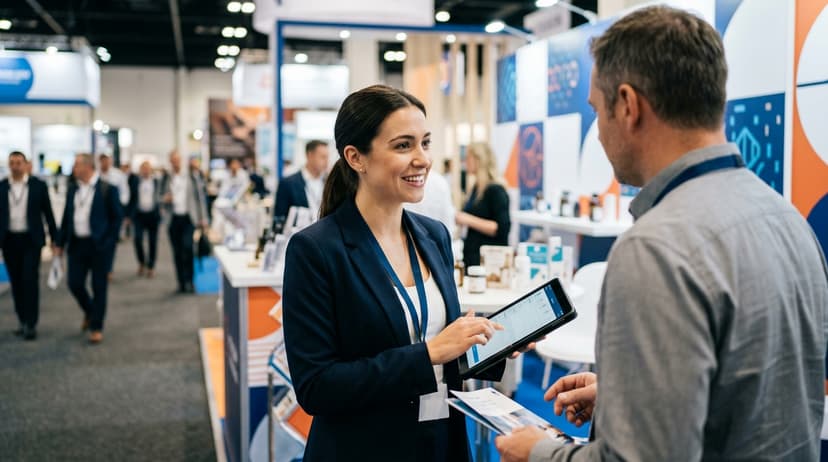
48 Hours After the Show: Turning Leads Into Revenue
The golden window for post-show follow-up is 48 hours. After that, buyer interest plummets. This is why you need specific playbooks for each tier:
- Hot Leads: Personalized thank-you email within 48 hours + video meeting request within 1 week.
- Warm Leads: Send tailored case studies or ROI analysis → Follow up within 2 weeks.
- Cold Leads: Enroll in long-term nurturing tracks like newsletters or webinars.
Use marketing automation tools like HubSpot or Salesforce to set up 1, 3, 7, and 30-day sequences so follow-ups trigger automatically. Document your SLA (Service Level Agreement) between marketing and sales—for example: "If a Warm lead opens an email twice, pass them to Sales." Without this, leads fall into a black hole between departments. Assigning a dedicated follow-up lead or holding weekly review meetings is also highly effective.

Don't Count Cards, Track Real Metrics
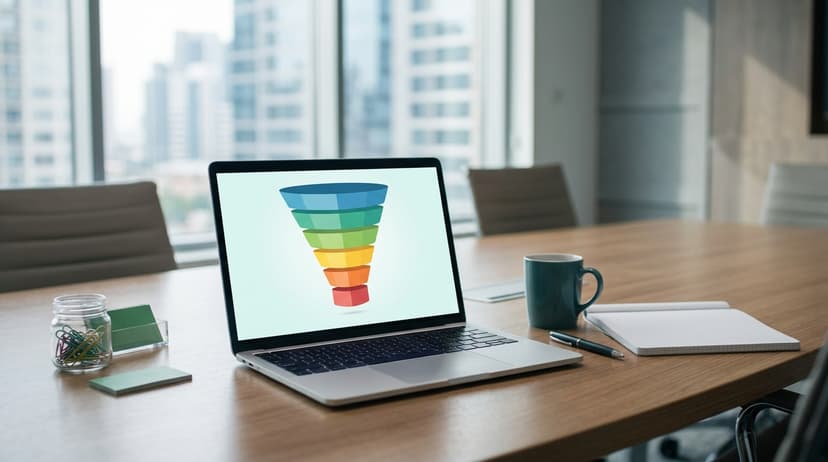
"Collected 350 cards" won't impress leadership. Your KPIs should be: Total leads → MQL conversion rate → SQL conversion rate → Pipeline contribution value → Final closed revenue. Calculating CPL (Cost Per Lead) allows you to compare trade shows directly against other channels like digital ads. Consistent tracking across all your annual shows will help you make data-driven decisions on where to allocate future budgets.
Assessing Your Lead Management Maturity
Where do you stand? Level 1 (collecting cards), Level 2 (manual spreadsheets), Level 3 (basic CRM process), Level 4 (automated nurturing), or Level 5 (data-driven prediction). Most exporters hover between 1 and 2. To get a 'Quick Win' in the next 3 months: Define your lead scoring criteria, strictly enforce the 48-hour follow-up rule, and make post-show review meetings mandatory.
If you need help with pre-show buyer outreach and automated cold emailing, explore tools like RINDA to automate your buyer database and outbound efforts. If you're interested in AI-driven export processes, check out Grinda as well.
Q&A
Q: Is a CRM mandatory? Are spreadsheets enough?
A: Spreadsheets are fine for small, occasional shows. However, if you manage multiple events or handle over 100 leads, you'll struggle to track follow-up history. Start with a free CRM (like HubSpot Free)—it's worth it.
Q: What if the response rate for pre-show emails is too low?
A: Include the show name and booth number in the subject line, and mention specific issues relevant to their company in the first line. Send a sequence of 3-4 emails, adding new value (data, cases, meeting invites) each time.
Q: What is the most persuasive metric for management?
A: 'Pipeline contribution value' is the most intuitive. Showing how much revenue is currently in your pipeline thanks to leads from the show allows for direct ROI comparison.
Sources
Want export insights in your inbox?
We'll send one email summarizing new posts from our blog and resource library.