What Is AI Doing With Your Face Right Now?
Unlike a password, your face is a biometric identifier that cannot be replaced. We break down the real-world pathways by which profile photos on social media become training data for facial recognition AI—and a digital identity exposure checklist that every export professional should review today.
What Is AI Doing With Your Face Right Now?
TL;DR Facial recognition AI privacy violations are already a reality. Cases like Clearview AI—which scraped billions of face images without consent—have directly affected users in Korea. As deepfake business fraud and cross-platform profiling threats continue to grow, export professionals and B2B practitioners need to review their LinkedIn privacy settings and digital security habits immediately.
Facial Recognition AI and Privacy: What If Your Profile Photo Becomes Training Data?
Facial recognition AI privacy violations are already happening around us. Have you ever posted a photo on LinkedIn of yourself with a buyer at an overseas trade show? What if, a few months later, that photo ended up in a facial recognition AI's training dataset? It sounds far-fetched—but it has already happened.
The case that made the biggest international waves between 2024 and 2025 is Clearview AI. The company scraped more than 3 billion face images from social media, news sites, and public websites without permission, built a facial recognition database, and sold access to law enforcement agencies and private companies. The U.S. FTC investigated the company, and Korea's Personal Information Protection Commission (PIPC) also flagged Clearview AI's collection of Korean users' data in 2023 and imposed a fine. Not a single person whose photo was used was ever asked for consent.
Unlike text or click history, your face is a non-cancellable biometric identifier. You can change your password. You can create a new email address. But you cannot replace your face. The more frequently you meet overseas buyers, attend trade shows, and engage on global platforms, the greater your facial exposure naturally becomes. This article isn't meant to frighten you—it's meant to help you understand the risks clearly and respond in practical, realistic ways.
3 Ways Facial Recognition AI Data Gets Misused
Public Images Are Used for Real-Time Identity Matching
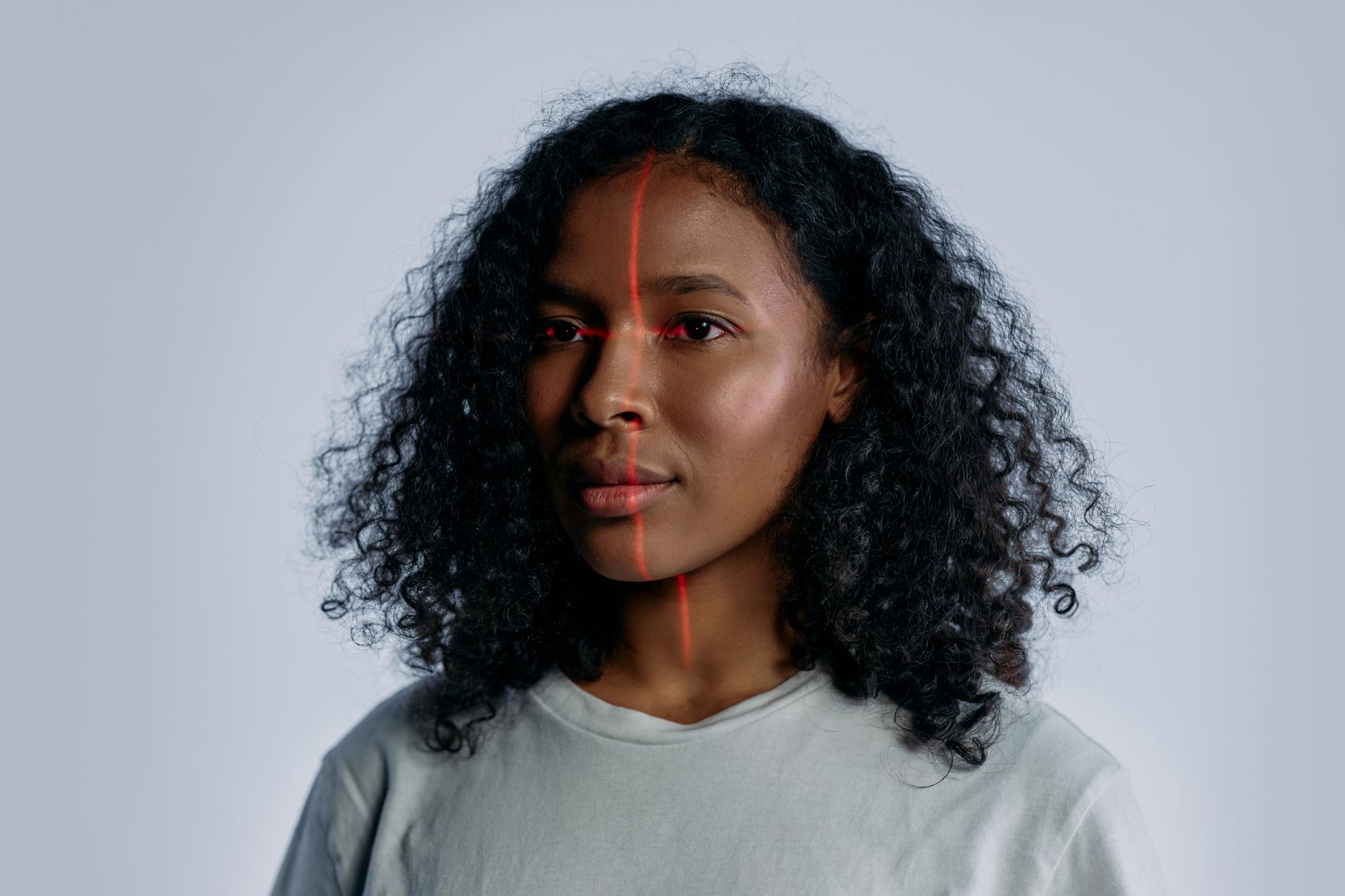
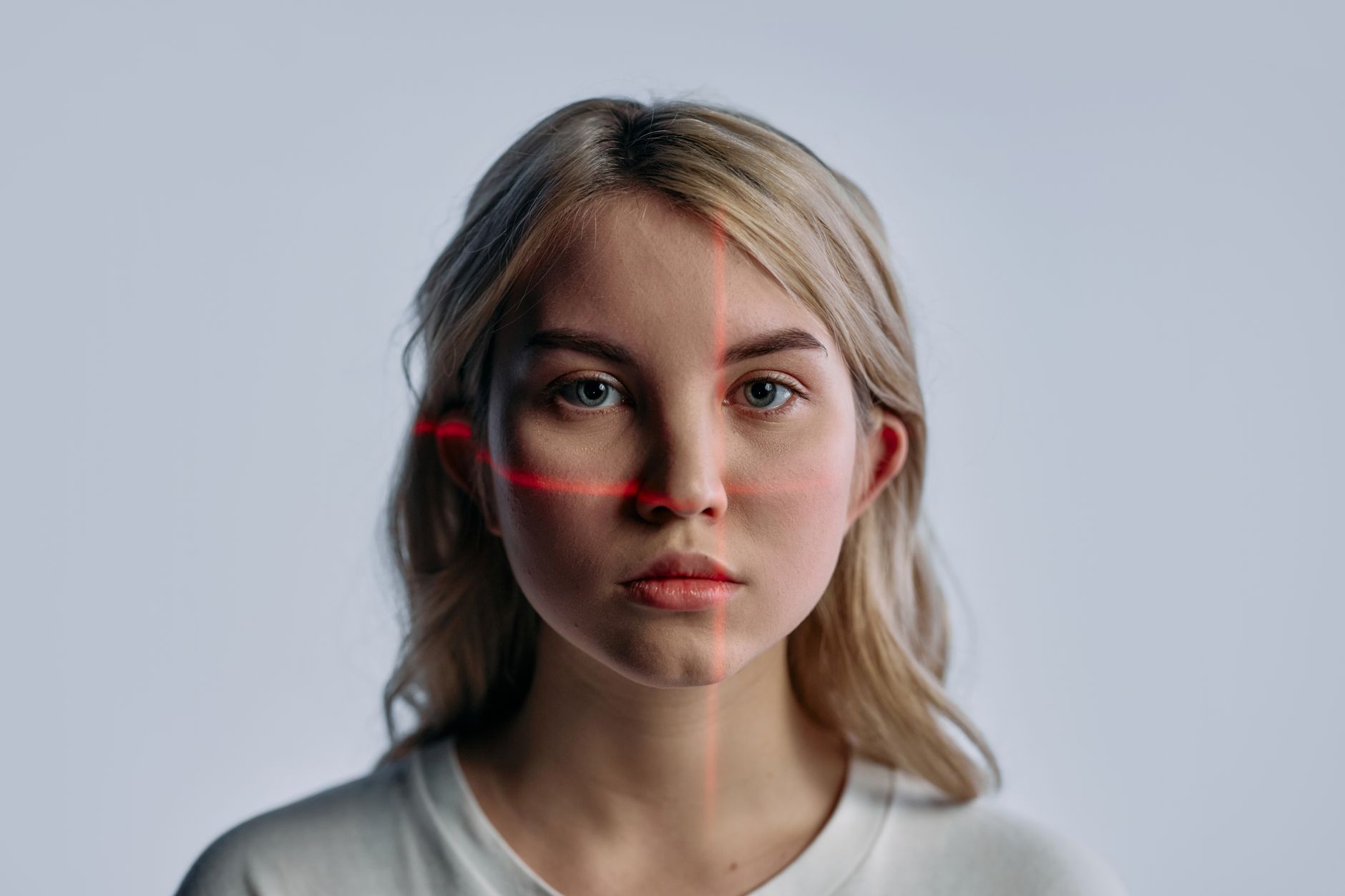
The way facial recognition AI works is simpler than most people realize. The system extracts facial landmarks—like the distance between your eyes or the position of your cheekbones—from publicly available photos, stores them in a database, and then compares new images against that database to determine whether a person is the same individual. A system like Clearview AI, with a database of billions of faces, can potentially identify the owner of a LinkedIn profile from a single photo taken on the street. There is no guarantee this technology will only ever be used for law enforcement purposes.
Deepfake Business Fraud: The Reality of Fake Videos Built From a Few Photos
As of 2025–2026, deepfake technology has advanced to the point where photorealistic video can be generated from as few as 5 to 10 face images. But what's more alarming than the technology itself is how it's being used—it has already begun appearing in financial fraud schemes targeting corporate executives. Korea's Financial Security Institute has reported cases of deepfake business fraud that impersonated CEOs using their likeness and voice. A few interview clips posted to social media are more than enough raw material to produce a convincing fake video.
The situations most vulnerable to deepfake business fraud include:
- Executives and founders with publicly available interview videos on YouTube or Instagram
- B2B sales professionals who have posted multiple face photos on LinkedIn
- Export professionals who regularly share public content such as trade show recaps
Combine Location and Behavioral Data, and Your Movements Can Be Traced
Your face alone is already a problem—but there's a more sophisticated threat at play. It's called cross-platform profiling. When a face image is combined with location metadata embedded in the photo (EXIF data) and behavioral data from the platform, it becomes technically possible to infer a specific person's movement patterns, frequently visited locations, and business relationships. From a digital security standpoint, posting trade show recaps on Instagram and photos with buyers on LinkedIn are among the most common vulnerabilities for export professionals. Yet it's surprisingly easy to overlook the fact that those posts can become raw material for profiling.
The Paradox of Voluntary Exposure — Rethinking LinkedIn Privacy Settings and Social Media Culture
The Real Tension Between B2B Trust-Building and Privacy
There's an honest tension worth naming here. Telling a head of international sales or a startup founder to "stop showing your face online" is simply not realistic advice. In global B2B, trust starts with visibility. But if you can't avoid exposure entirely, you need a strategy for managing how you're exposed.
Here are the LinkedIn privacy settings export professionals can review right now to improve their digital security:
- Restrict your profile photo visibility to "Connections only" or "LinkedIn members only"
- Disable the option that allows your profile data to be used for off-platform research
- Strip EXIF metadata (including location data) from photos before uploading them
- Regularly monitor your name and likeness using Google Image Search
- Avoid posting high-resolution face photos across multiple platforms simultaneously without a clear reason
These steps won't completely eliminate the risk of facial recognition AI privacy violations, but building these habits meaningfully reduces your profiling exposure.
Frequently Asked Questions (FAQ)
Q1. Can Korean users actually be affected by Clearview AI's facial recognition data collection?
Yes. In 2023, Korea's Personal Information Protection Commission ruled that Clearview AI had collected face images of Korean users without authorization and imposed a fine. Profile photos and social media images posted publicly within Korea can be subject to this kind of scraping. This is why it's important to periodically review the visibility settings on each platform you use.
Q2. What is the single most important LinkedIn privacy setting for export professionals to check first?
Start by restricting your profile photo visibility to "Connections only" or "LinkedIn members only," and disable the option allowing your profile data to be used for external research purposes. It's also recommended as a basic digital security practice to strip EXIF metadata (including location data) from photos before uploading them.
Q3. Is there a realistic way to detect or prevent deepfake business fraud before it causes harm?
The most practical preventive measure is implementing a two-step verification process: any transaction request or fund transfer instruction received via video or voice must be independently confirmed through a separate channel, such as a phone call or in-person contact. Pairing employee training on deepfake detection with an internal policy that prohibits verifying someone's identity through video calls alone for major decisions can substantially reduce the risk of financial loss.