Why Global Buyers Can't Find You on Google
The reason overseas buyers aren't finding your company on Google isn't just a lack of an English website. In the era of AI search, the goal is to become a 'brand cited by AI.' This guide covers citation mechanisms for Google AI Overviews, ChatGPT, and Perplexity, how to use export vouchers, and a 6-month English content roadmap.
The Real Reasons Why Overseas Buyers Can't Find Your Company on Google
TL;DR: The overseas buyer search landscape has shifted to AI summaries. Even with an English website, you won't generate leads if you aren't cited by AI search engines. Now is the time to pivot your English SEO strategy from 'traffic-focused' to 'citation-focused.'
The Real Reason Your Company Doesn't Appear in Overseas Google Searches
Buyers Searched for You, But You Were Nowhere to Be Found—Are You Aware of the Changed Search Landscape?
You handed out business cards at an international exhibition, and the buyers showed genuine interest. Yet, after returning home, the communication went dead. Often, companies lose trust because they don't appear in overseas Google search results. At Rinda, as we analyze follow-up data from partner companies, we see this pattern repeat. If you have an English website but aren't getting buyer inquiries, this article is for you.
Google's search environment underwent radical changes between 2025 and 2026. Research from SparkToro and Similarweb indicates a significant portion of PC-based Google searches are now 'Zero-click'—meaning the user ends their search on the results page without clicking any external sites. While this varies by device and query type, the critical problem is that even high-intent searches for suppliers are now pre-empted by AI summaries.

AI Search Has Changed English SEO for Exporters—Understanding Platform Mechanisms
Google AI Overviews, ChatGPT, and Perplexity—Different Criteria for 'Citations'
Being 'exposed' in AI search means something different for each platform. Before building your strategy, grasp these distinctions:
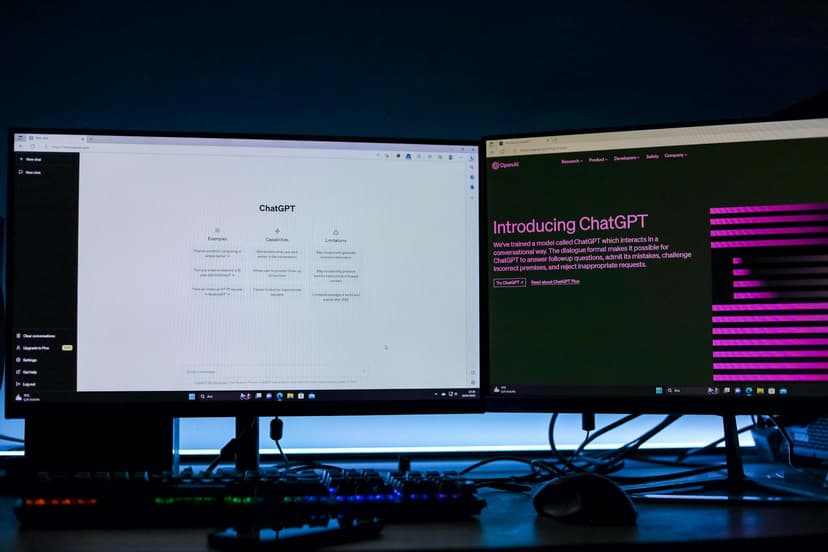
Google AI Overviews curates content based on existing search indexes, prioritizing content that meets E-E-A-T (Experience, Expertise, Authoritativeness, Trustworthiness). It is an extension of what Google has long emphasized: trusted content. ChatGPT relies on 'Browse with Bing' or training data; brand frequency across the web is a known influence. Perplexity functions by citing real-time web crawlers and directly displaying the source URL.
All three platforms share one commonality: content trustworthiness and structural metadata weigh more than traffic rankings. Applying Schema Markup (Structured Data) to your English product pages is not just a technical tip—it is a vital starting point for AI discoverability.
What Exporters Need for AI Search is 'Citation SEO'—'Traffic SEO' Has Its Limits
Why Being Mentioned in an AI Answer is Stronger Than Ranking #1 for Keywords
SEO isn't dead. It's just that 'click-driven traffic SEO' has hit a ceiling. Even if traffic increases, it won't lead to sales without conversion paths (inquiry forms, case study downloads, sample requests). The bigger issue is that traffic itself is being absorbed by AI searches.
In a Zero-click environment, if your brand name isn't cited within the AI's answer, your existence effectively vanishes. Your new primary KPI shouldn't be 'Monthly Visitors' but 'Brand Mention Frequency in AI Results.'
Export companies that lack English blogs or case studies aren't even on the starting line for AI citation. For a buyer searching for a supplier, a company with weak English information provides the AI with no basis for citation.

Keyword Strategy for English Inquiries—Overhauling Your B2B Export Marketing Strategy
Shifting from 'High-Volume Keywords' to 'Buyer Intent Keywords'
B2B manufacturing and export companies shouldn't copy SaaS SEO strategies. Buyers searching for exporters aren't just 'browsing for info'—they are in the 'supplier exploration and comparison' stage. Prioritize 'Purchase Intent' over 'Search Volume.'
Effective keyword structures look like this: 'cosmetic OEM manufacturer Korea,' 'food packaging supplier Korea wholesale,' or 'industrial filter B2B Korea.' Start by finalizing the accurate English terminology for your product line based on your HS Code.
5-Step Checklist for Planning Intent-Based English Content
- Finalize English nomenclature based on HS Codes — Cross-reference with the Korea Customs Service HS Code search and local terminology in your target markets.
- Extract 20 Buyer Intent Keywords — Use the Google Keyword Planner or Ahrefs to target keys like '[Product Class] supplier Korea,' '[Product Class] OEM manufacturer,' or '[Product Class] private label Korea.'
- Audit AI visibility for competitors — Input these keywords directly into ChatGPT and Perplexity. If competitors appear but you don't, you are losing out.
- Plan content for 'Citation Gaps' — Identify the types of content AI cites (FAQs, Comparisons, Case Studies) and mirror those formats.
- Publish and apply Schema Markup — Once published, verify indexing via Google Search Console.
How to Finance Your English Content Strategy via Export Vouchers
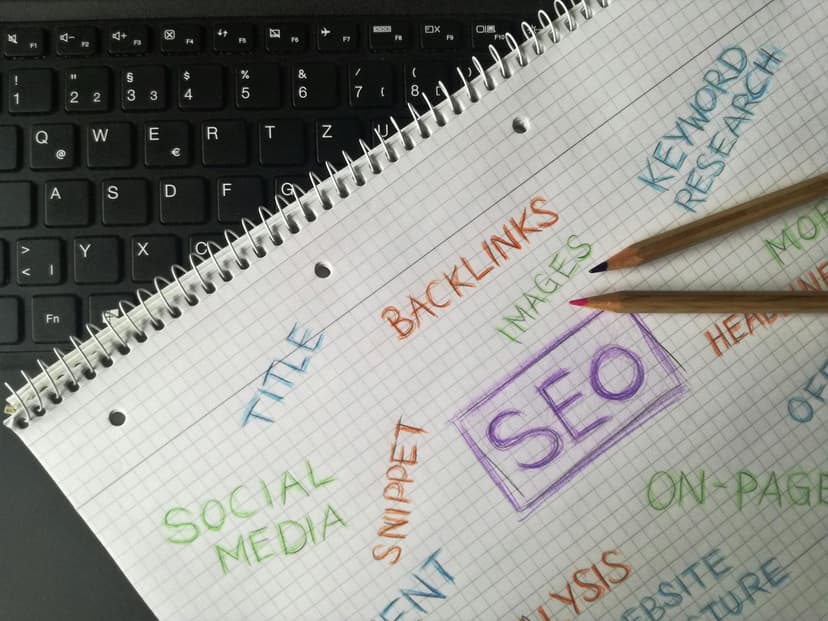
Leveraging Export Vouchers for English Content & SEO Consulting
Export vouchers (managed by the MSS, KOTRA, etc.) can often subsidize costs for digital marketing, including English website development, SEO consulting, and content creation. Check the official KOTRA (www.kotra.or.kr) announcements annually, as service categories and budget limits vary.
Connecting with KOTRA & KITA Digital Export Programs
KOTRA’s 'Overseas Branch' (Jisa-hwa) program often requires updated English marketing materials as a prerequisite. Likewise, the KITA e-Trade Bridge supports the enhancement of online export channels. Always check eligibility and budget availability in advance.
3 Things to Check Before Applying for Support
① Self-diagnose current AI search visibility (search product names on ChatGPT/Perplexity). ② Clearly define the required service type (SEO vs. Content Production vs. Ads). ③ Compare providers licensed for AI search optimization within the export voucher supplier list.
3-Minute AI Search Visibility Self-Checklist
How to Verify If Your Company is Being Cited
- ① Does a competitor appear when you search '[Your Product] supplier Korea' in Google AI Overviews?
- ② Is your brand mentioned when entering the same keyword in ChatGPT/Perplexity?
- ③ Have you published at least one English blog post or case study in the last 6 months?
If you answered 'No' to 2 or more, you are in an AI search blind spot.
6-Month Roadmap to Start from Scratch
- 1~2 Months (Infrastructure): Finalize HS code keywords, apply Schema Markup to core pages, link Google Search Console.
- 3~4 Months (Publishing): Publish 4 English blog posts based on intent keywords (Mix of FAQ/Comparison/Case Study).
- 5~6 Months (Measurement): Track AI brand mentions, conduct monthly checks on ChatGPT/Perplexity citations.
If AI is currently citing your competitors, you are already falling off the shortlist for future buyers. Start checking today.
Author · RINDA Export Research Team (Editors focused on buyer discovery & sales automation)
Based on data from 200+ Korean exporters and Rinda platform insights, we curate actionable strategies and checklists for export professionals.
If your sales team lacks the internal resources to run an English content strategy, consider automating buyer discovery. Rinda supports B2B exporters in automating outbound sales and buyer discovery, a strategy increasingly used alongside content efforts. You can also explore the overall flow of AI export automation at Grinda.
Sources
Want export insights in your inbox?
We'll send one email summarizing new posts from our blog and resource library.