
Even with 1,000 Buyers, Your Entire Shipment Will Be Destroyed If You Ignore This One Taboo
Dua Lipa's "banned books library" in Portugal is a stark warning for exporting businesses going global. Beyond translation, successful localization requires identifying the target country's cultural and religious taboos. Ignoring them can lead to your entire shipment being destroyed at customs.
Even with 1,000 Buyers, Your Entire Shipment Will Be Destroyed If You Ignore This One Taboo
Even if you succeed in finding export buyers after painstaking effort, 80% of successful export localization is not about fluent translation. It is about identifying what you must "never do" in the target country—the taboos—and removing them from your product and marketing.
Imagine closing your first deal after six months of negotiations with an export buyer. What if tens of thousands of cosmetics are destroyed at customs just because of a single design pattern on the packaging? Hundreds of thousands of dollars in capital and opportunity costs would vanish into thin air inside a customs warehouse.
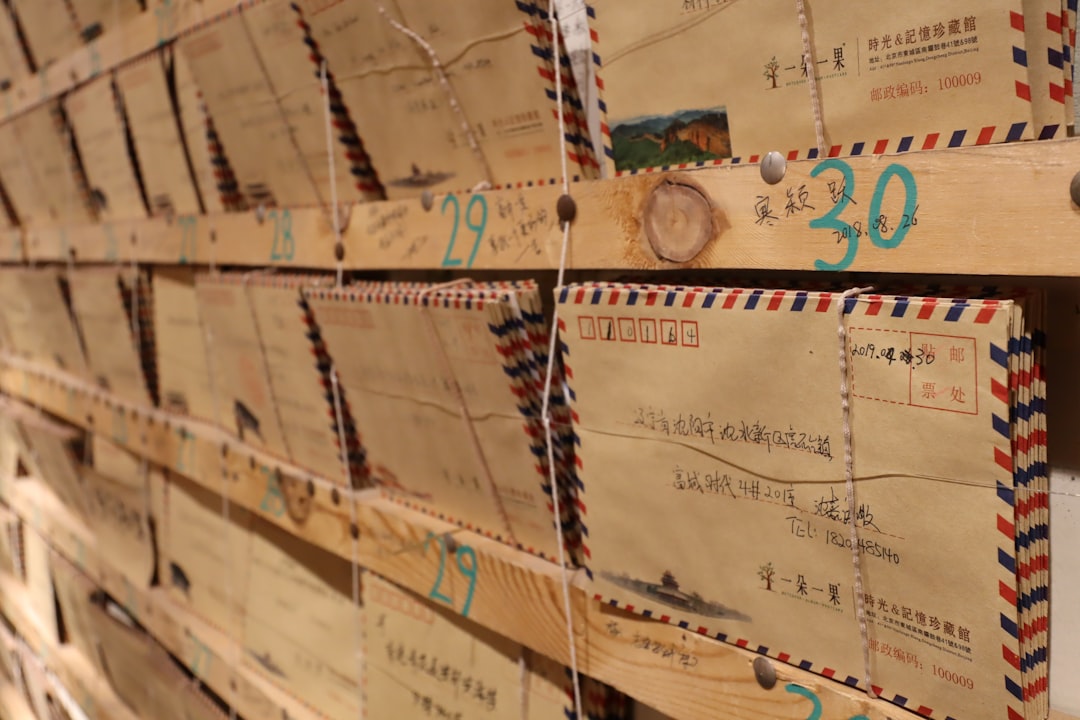
According to a Euronews report on June 29, 2026, global pop star Dua Lipa opened a "Library for banned and censored books" in Portugal. It is a symbolic space dedicated to preserving historically and politically suppressed or censored knowledge.
While this is an artist's move to champion freedom of expression, our Grinda AI team looks at this news slightly differently. We interpret it as the most accurate visualization of global trade barriers. What is controlled and tabooed varies completely from country to country. If left unchecked, this blind spot can turn a hard-won market entry into a fatal export localization failure, shutting down your business overnight.
What Do Products Blocked at Customs Have in Common?
The global success stories of the K-beauty market are truly dazzling: from ANUA hitting No. 1 on Amazon via TikTok virality, to Beauty of Joseon dominating Amazon's sun care category, and COSRX expanding to 146 countries. There is abundant macro-level evidence that Korean products work globally. (Please note that these figures are based on each brand's public announcements and are not direct achievements of our platform's clients).
Behind these brilliant successes, however, lie countless export localization failures that were quietly discarded. Based on our team's analysis of B2B export data, here are the three fatal global "Taboos" we have identified:
1. Religious Compliance and Packaging Traps Even if a vegan cosmetic product contains absolutely no pork ingredients, it does not guarantee a free pass into the Middle Eastern market. There are actual cases where specific symbols, color combinations, or even animal-like silhouettes on product packaging violated Halal sentiments, acting as a critical customs risk and leading to total rejection.
Within our scope of observation, as of Q4 2025, inbound inquiries for Korean beauty, food, and smart home appliance categories from certain Southeast Asian and Middle Eastern countries showed an upward trend compared to the previous quarter. (However, because this data is highly sensitive to category-specific variances, exchange rates, and policy shifts, it cannot be generalized as an overall market trend). But here is a fact you cannot ignore: as inbound demand grows, cultural compliance issues occurring at the shipping stage due to a lack of cultural understanding are also surging proportionally.

2. Careless Marketing Messages and the Risk of Brand Boycotts How would a marketing copy consumed as a playful joke or meme in Europe be received in certain ASEAN countries? It could be interpreted as a provocation that touches upon political or historical wounds. Many companies have faced severe backlashes after carelessly using words on social media that evoke the pain of past territorial disputes or civil wars. Recent 2026 cases of global brands almost facing national boycott movements are still ongoing.
3. Overlooking Political and Historical Sensitivities That Ruin Buyer Negotiations Sometimes, small talk meant to break the ice during a first cold email or initial Zoom meeting after sourcing an export buyer can completely ruin a deal. Accidentally mentioning a target country's recent political scandal or a taboo historical figure is a nightmare. Global buyers will instantly categorize your company as a "high-risk partner with zero market understanding" and cut off all communication.
"Cultural Compliance Filter" Strategy to Prevent Export Localization Failures
To clear these landmines in advance, our team highly recommends incorporating a framework called the "Cultural Compliance Filter" into your operations.
An ingredient strictly regulated in one country, or a direct marketing message considered taboo, can turn into a powerful "scarcity marketing" weapon in another culture. For example, you do not have to fixate on entering the European market if it has strict legal regulations on specific functional ingredients. Instead, pivoting to South American or CIS (Commonwealth of Independent States) markets might allow you to gain an explosive initial response with your highly innovative products.
Successfully implementing this filter requires a combination of agile sales timing and precise targeting. Within our own platform data observation, companies that sent their first follow-up within 48 hours after attending an overseas exhibition saw noticeably higher buyer response rates compared to those who followed up after 7 days. (Of course, this is also based on a limited sample and subject to industry-specific bias; the effect size may be relatively lower in industries with long-term purchasing cycles of 6 months or more).
However, the real point here is not just speed. Even if you secure a swift response from a buyer, sending a sloppy proposal that has not gone through a cultural compliance filter will only lead to rejection. We strongly recommend cross-checking the target country's taboo list before sourcing and listing export buyers. This is the only way to prevent costly leaks in your sales pipeline.

Localization Is Not Just Translation; It Is Reading the Context of Customs Risks
This is exactly what the Grinda AI team considers most deeply while building B2B export sales automation. We do not just build tools that scrape email addresses. We aim to be a reliable partner that refines and filters data so businesses can safely navigate invisible cultural contexts and regulatory gaps when facing rigid foreign market entry barriers.
The barriers threatening the survival of exporting companies are not limited to cultural taboos. Turbulent exchange rates and complex trade financing barriers are always present. Currently, on the Korean locale of the RINDA landing page (/financial-support), we collaborate with Woori Bank's Foreign Exchange Business Department as an "Official Foreign Exchange & Trade Finance Partner" to offer consulting and preferential benefits for exporting businesses. (Please note that this consultation form is currently a draft model, and the actual service will officially open soon).
Just as financial risks must be proactively defended alongside a reliable financial partner, the cultural and legal customs risks faced when entering a local market must be thoroughly managed through data-driven targeting. The banned books library established by Dua Lipa in Portugal delivers a profound truth: only those who clearly understand another country's taboos can seize the most solid niches within permitted markets.
Written by · RINDA Export Sales Research Team (Export Buyer Sourcing & Export Sales Automation Research Editor)
Based on pipeline data from sourcing export buyers for over 200 Korean exporters and internal observations of the RINDA platform, we compile actionable strategies and checklists for export operations.
Are you worried about invisible cultural regulatory barriers and trade compliance before sourcing local export buyers? Assess your strategy for safe and secure market entry with the Grinda AI team. We help you grasp the true context of business localization, going far beyond simple translation. Discover Export Buyer Sourcing Strategies with RINDA Learn How the Grinda AI Team Solves Problems
💡 Repurpose Hook for LinkedIn & X "Achieving a 0% customs disposal rate is far more important than tripling your buyer response rate. Without understanding a target country's cultural taboos, your hard-earned exports will never pass customs. Is your global product proposal properly equipped with a 'Cultural Compliance Filter'?"
Practical Q&A
Q. Can products rejected at customs for cultural or religious reasons be repackaged and exported to another country? A. Theoretically, yes. However, according to many trade and logistics professionals, in over 90% of cases, logistics costs, local bonded warehouse storage fees, and rework expenses far exceed the original cost of the product. Often, local customs authorities issue immediate disposal orders or initiate return procedures. Ultimately, proactive cultural compliance checks prior to export shipment are the only reliable solution.
Q. How can we check in advance if our product violates a specific country's cultural taboos? A. First, we recommend cross-referencing the latest industry-specific reports from local KOTRA (Korea Trade-Investment Promotion Agency) offices. Simultaneously, you should carefully examine official databases or original source texts for "banned import ingredients and restriction guidelines" published by the target country's food and drug administration or customs authorities. Rather than relying solely on Google searches, consulting with local regulatory experts or using specialized platforms that handle export localization data is the most effective way to dramatically reduce customs risks.