What not to automate in AI export sales
If you've implemented cold email automation only to see your buyer response rates drop, the problem isn't the tool—it's the strategy. We break down which of the four stages of export sales are ready for automation, where human intervention is non-negotiable, and a practical checklist for your team.
Export Sales in the Age of AI: What to Automate vs. What Never to Touch
TL;DR Export sales automation boosts efficiency in lead generation and email drafting, but trust-building, negotiation, and closing must remain human-centric. The key is a hybrid workflow where you use AI tools at the right stages and infuse human context into AI-generated drafts.
It’s a common story: a company adopts an export sales automation tool, only to see their response rates plummet. You’ve tried dozens of templates and switched tools, yet buyer reactions remain cold. If you’re in international sales, you’ve likely been there. However, the problem isn't the automation itself—it's where you apply it.
The Paradox: Why Automated Cold Emails Kill Response Rates
Export teams adopt cold email automation for simple reasons: manual outreach to 100 prospects is inefficient. Once the tools start, volume triples, but response rates often get cut in half. Why?
Buyers are getting smarter. A generic email with only the name and company swapped out is instantly recognizable to global procurement managers who receive dozens of these every day. Mails starting with "Dear [Company Name], we are a leading manufacturer of..." go straight to the trash. Without industry analysis, buyer-specific trends, or local market context, mass-mailing generic templates just degrades your brand image.
The Problem Wasn't the Tool, It Was the 'Where'
Automation is not the enemy. At Rinda, we’ve observed that teams that effectively leverage AI for prospect research and drafting initial emails tend to reach more qualified leads than those relying strictly on manual processes. The difference? One group sends AI drafts as-is, while the other audits and adds human context. That one step makes all the difference.
Export Sales Automation: A 4-Stage Suitability Framework
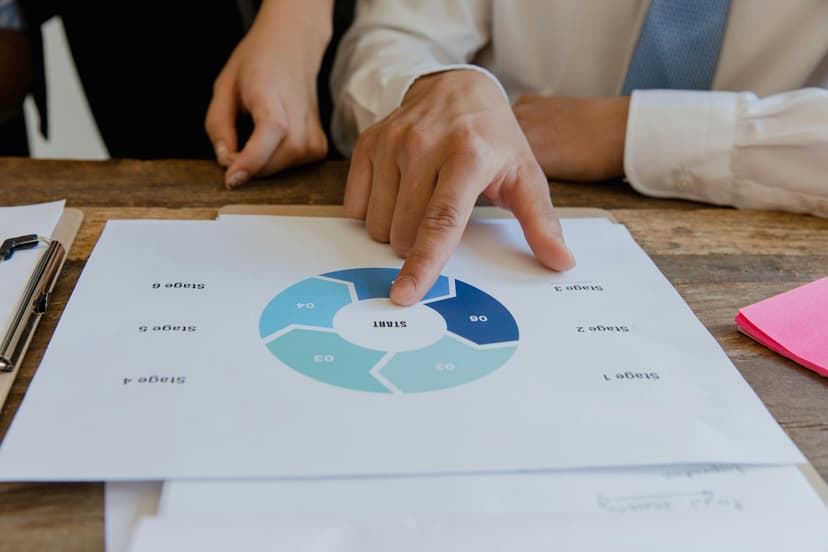
Break your export process into four stages to see clearly where AI fits and where humans must take the lead.
Lead Screening with AI: Faster and More Accurate Than Humans
Tasks like scanning buyer databases based on HS Codes and filtering by company size, creditworthiness, and import history are perfect for AI. While a human might research 20 buyers a day, AI can scan 200 in the same timeframe. Automation Suitability: High
Initial Outreach & Sequencing: Efficiency Boosters
Using AI to generate personalized drafts based on industry, region, and job title, and automating follow-up sequences is highly effective. However, human review is mandatory before sending. Adding one sentence about the buyer’s recent company developments or local market context can transform your response rates. Automation Suitability: Moderate
Trust Building & Needs Discovery: Human-Only Territory
Once a buyer shows interest, local business etiquette is crucial. Understanding how to manage comms during Ramadan in the Middle East or navigating the internal approval culture of a Japanese firm cannot be automated. This requires empathy, timing, and reading the room. Automation Suitability: Low
Final Negotiation & Closing: Absolutely No Automation
Discussing price terms, payment methods (L/C, T/T), or exclusive contract terms should only be handled by human sales experts. Introducing automation tools here can cost you the buyer's trust—they will wonder if you take the deal seriously. Automation Suitability: None
Buyers Can Tell If It's AI
Global B2B buyers are becoming sensitive to AI-generated outreach. "Superficial personalization"—merely inserting a name—doesn't work anymore.

The Personalization Trap: Swapping Names Isn't Enough
True personalization means mentioning their recent trade show attendance, noting how local regulatory changes affect their business, or reaching out when they launch a new product. Buyers feel, "This person actually did their research." That is where trust starts.
A 5-Minute Buyer Research Checklist to Boost Response Rates
Check these before hitting send on any cold email:
- Check LinkedIn profile (title, recent activity)
- Search for company press releases/news (last 3 months)
- Check for participation in local trade shows
- Review recent import history in target country/company
- Note a trend or regulatory change in their industry
Incorporating even one of these into your email intro will yield drastically different results, even if you use the same automation tools.
How Top-Tier Export Managers Work Differently
Asking "AI vs. human" is the wrong question. Successful export managers use automation to buy back time for relationship-building. They let AI handle the list building and scheduling, while they spend that extra time perfecting video meetings or sending custom follow-ups after sample shipments.
A Practical AI+Human Hybrid Workflow
① Extract a list of 50 target buyers via AI (filtered by HS code, market, and size) ② Generate personalized drafts using AI ③ Human representative reviews and adds a personalized "context sentence" per buyer ④ Human handles all positive responses directly
This workflow differs from "lazy automation" by clearly defining where humans step in. Note that if you qualify for the KOTRA Export Voucher, you may be eligible to get reimbursements for various lead generation and marketing services; check their annual announcements for eligibility.
What Happens When a 10-Year Vet Leaves?

When a key employee leaves, the biggest loss isn't their salary—it's the "relationship equity": the trust, history, and local network they held. Turning this from individual expertise into organizational assets is a top priority for export teams.
Turning Individual Relationships into Organizational Assets
- Store communication history in a CRM accessible to the whole team
- Implement turnover protocols (status of negotiations, relationship context)
- Ensure at least one other team member is familiar with the top 5 key accounts
Paradoxically, reducing repetitive tasks through automation helps export pros focus on the rewarding parts of relationship sales, potentially increasing job satisfaction and retention.
How Far Should You Automate Your Cold Outreach?
If you answer 'no' to more than three of these, it's time to rethink your export automation strategy.
5 Criteria Before You Automate
- Does every cold email contain buyer-specific insights?
- Is there a process for a human to follow up within 24 hours of a positive reply?
- Is communication history stored in a shared CRM or doc?
- Is there a mandatory human review step before sending automated emails?
- Is at least one colleague familiar with your top 5 buyer relationships?
Data from the Rinda platform shows that companies following up within 48 hours of a trade show significantly outperform those waiting 7+ days. However, consider the industry cycle—longer B2B decision cycles may require a different approach.
Author · Rinda Export Sales Research Team
Editors specializing in overseas buyer outreach and export sales automation research.
We curate actionable strategies and checklists based on data from 200+ Korean export companies and insights from the Rinda platform.
For those looking to manage everything from lead generation to follow-up sequences in one place, visit Rinda. You can experience the full workflow from HS code-based DB scouting to personalized drafting. If you want to know more about the philosophy behind export automation and our approach at Grinda, feel free to check as well.
FAQ
Q. Does using cold email automation increase the risk of being labeled as spam? A. Yes, if your domain warming, SPF/DKIM/DMARC settings, and daily volume control aren't managed correctly. We recommend starting with a low volume (30-50 per day) to build domain reputation before scaling up.
Q. Personalization takes too much time. Is there a realistic way to do this? A. You don't need a 100% custom email for every buyer. Let AI write the skeleton, then spend time adding just 1-2 custom lines (e.g., "I saw you at [Event Name]" or "Saw the new regulations in [Country]"). That single human touch separates a generic message from a high-value interaction.
Q. As a small business owner, the cost of automated tools is a burden. Any support? A. You may qualify for the KOTRA Export Voucher, which provides points to offset costs for marketing and lead generation services. Eligibility fluctuates, so always verify the current year’s announcement before applying.
Sources
Want export insights in your inbox?
We'll send one email summarizing new posts from our blog and resource library.