
How the EU Battery Regulation Forced Nintendo to Adapt: Hardware Design Survival for Exporters
With the EU Battery Regulation set for February 2027, learn how global giant Nintendo adapted its hardware. Discover modular design optimization strategies and regulatory compliance tips for hardware exporters to win over international buyers.
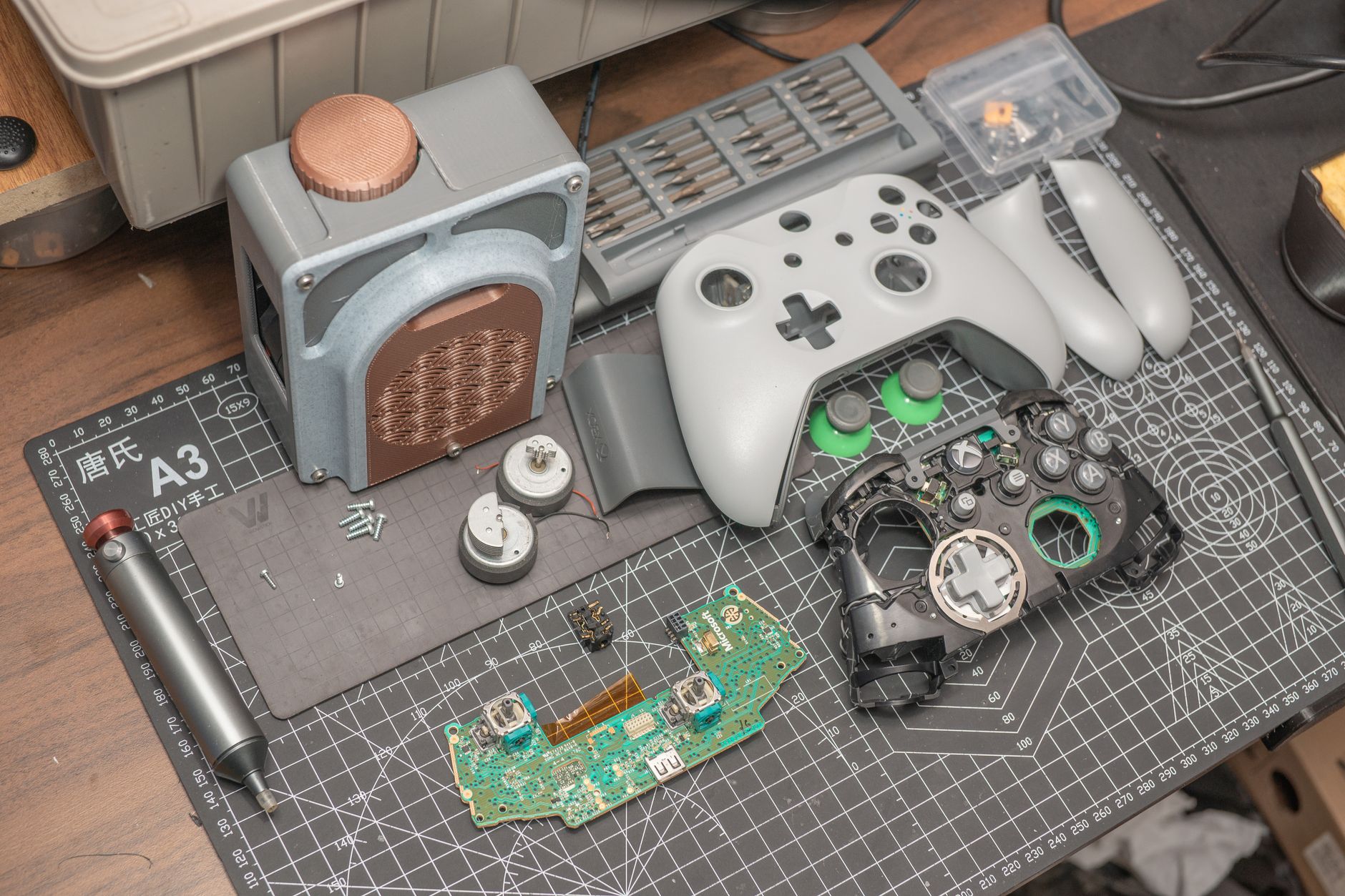
How the EU Battery Regulation Forced Nintendo to Adapt: Hardware Design Survival for Exporters\n\n### 📌 TL;DR (Key Takeaways)\n- From February 2027, the EU Battery Regulation will mandate user-replaceable batteries for all portable electronic devices across Europe.\n- To survive in the European market, hardware exporters must proactively transition to modular, removable designs, following the footsteps of global giants like Nintendo.\n- Proactively addressing strict battery compliance can serve as a powerful marketing lever to champion the "Right to Repair" and build buyer trust.\n\n---\n\nWith the enforcement of the EU Battery Regulation drawing near, you might have already experienced the frustration of having your proposals rejected by European buyers due to strict technical compliance requirements. If you ignore this regulation—set to sweep across the EU in February 2027—and cling to legacy designs, your export channels could dry up overnight. Even Nintendo, the global gaming giant, has swallowed its pride and begun redesigning its legendary hardware.\n\nThe green wave in global markets is crashing down faster and harder than expected. For small and medium-sized enterprises (SMEs) targeting Europe with innovative hardware or IoT devices, battery compliance is a matter of pure survival. Since this barrier is inevitable, why not turn it into a powerful selling point to win over foreign buyers?\n\n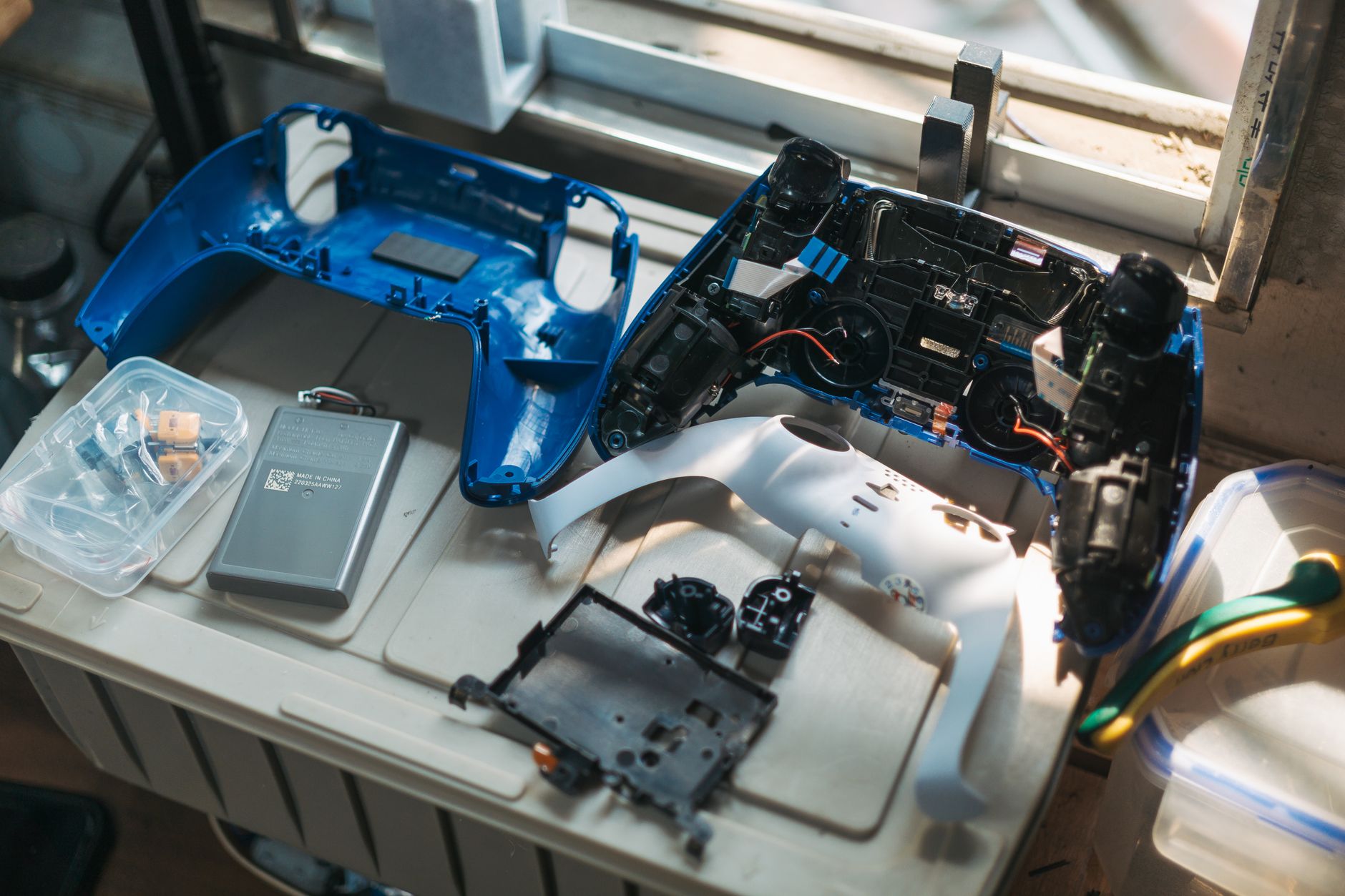 \n\n## Why Did Global Giant Nintendo Change Its Hardware Design for Export?\n\n### Not a "User-Friendly" Upgrade, but a Matter of "Regulatory Survival"\nRecent industry news suggests that Nintendo is actively incorporating user-replaceable battery designs into its upcoming console revisions. Why did a company that historically guarded its proprietary, tightly sealed form factors suddenly pivot? It is not merely a design trend. This is a strategic hardware design overhaul tailored to survive upcoming European export barriers.\n\n### Why Did Nintendo Give Up Its Sealed, Seamless Design?\nHistorically, a sealed chassis has been the gold standard for making devices slim, sleek, and durable. However, refusing to change this structure now means risking an outright sales ban across the entire European Union. Nintendo's strategic shift sends a clear warning to hardware exporters worldwide. The value of modern hardware no longer lies in a razor-thin, unopenable chassis, but in modular design that can be smartly disassembled and reassembled in compliance with the EU Battery Regulation.\n\n
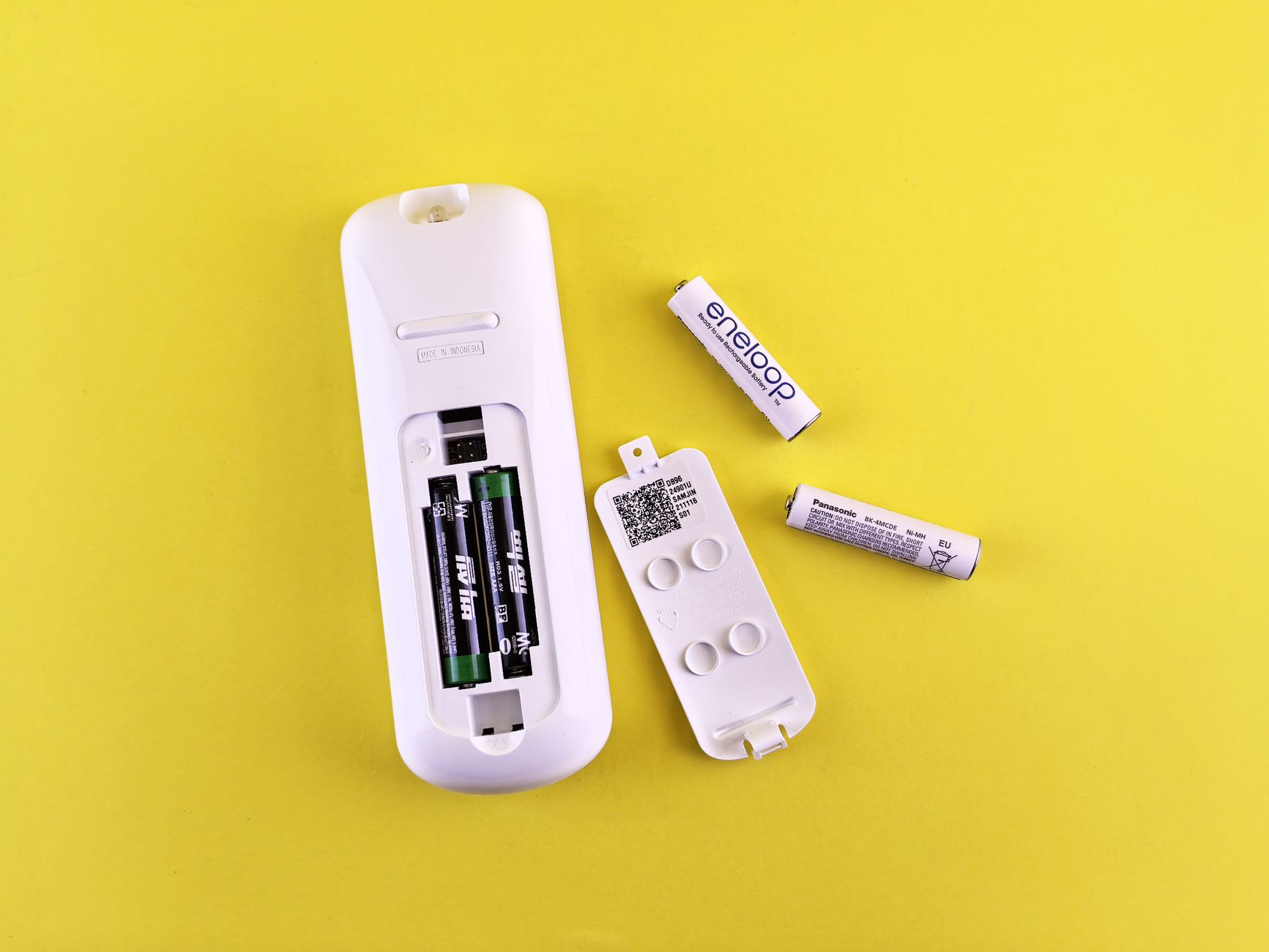 \n\n## EU Battery Regulation Coming February 2027: Key Provisions of the Removable Battery Mandate\n\n### Roadmap of the EU Battery Regulation\nAccording to the EU Battery Regulation published by the European Commission, all portable batteries in appliances placed on the EU market must be designed to be easily removable and replaceable by the end-user starting February 2027. This means the removable battery mandate is just around the corner. If you do not begin redesigning now, you could face severe custom clearance holds starting with shipments bound for Europe in early next year.\n\n### Mandatory Standards for "Replaceability" of Portable Batteries\nThe core of the regulation is that end-users must be able to replace the battery using "commonly available tools and without requiring proprietary equipment." Sealed designs requiring heat guns or proprietary adhesives to open are no longer viable.\n\nThe specific requirements for replaceability include:\n- No Proprietary Tools: The device must be openable with basic household tools (like standard screwdrivers) or hands, without needing heat guns or specialized solvent tools.\n- User Accessibility: Average consumers with no technical background must be able to replace the battery safely by simply following a user manual.\n- Spare Parts Availability: Manufacturers must guarantee the availability of replacement batteries and parts for several years after the product is placed on the market.\n\nFailing to meet these removable battery mandate standards means your products will be barred from entering the European market entirely.\n\n
 \n\n## Three Major Technical Engineering Challenges in Export Hardware Redesign and How to Overcome Them\n\nHardware exporters often face three primary technical challenges when redesigning their products:\n1. Compromised IP Rating (Water/Dust Protection): Concerns over reduced durability due to gaps.\n2. Increased Manufacturing Cost: Added costs from additional connectors, latches, and injection molding structures.\n3. Durability vs. Slimness: Finding the engineering compromise between safety and aesthetics.\n\n### Modular Sealed Designs to Eliminate IP Rating Concerns\nEngineers worry most about water and dust resistance. Switching to a removable battery creates seams, making the device vulnerable to moisture and dust. However, there is a smart solution: "Isolated Battery Chamber Sealing." By fully sealing the main motherboard compartment with silicone gaskets and designing only the battery chamber with a sliding door and dual O-ring structure, devices can easily maintain a high IP68 rating.\n\n### Controlling Manufacturing Cost Increases in Removable Structures\nAdding connectors or latching mechanisms naturally increases bill-of-materials (BOM) costs. However, you can minimize cost hikes during the hardware design phase by utilizing a "slide-in modular locking" technique. This method integrates battery securing guides directly into the device's chassis frame, avoiding additional parts. This reduces assembly steps, saves on tooling costs, and preserves structural integrity.\n\n### Balancing Structural Durability with Slim Aesthetics\nIt is challenging to maintain a slim profile while ensuring the safety of a removable battery. In this case, wrapping the battery module in a rigid hard-shell pouch is highly recommended. While it may slightly increase overall thickness, it prevents catastrophic battery puncture or swelling events if the device is dropped. International buyers value battery compliance and safety far more than a slightly thinner but risky design.\n\n
 \n\n## Turning Battery Compliance into an Opportunity: How to Leverage the "Right to Repair"\n\n### Designing New Revenue Streams Based on the "Right to Repair"\nEuropean buyers are highly conscious of the "Right to Repair," which advocates for fixing devices to extend their lifespan. Thus, this regulation should be seen not as an obstacle, but as a new business opportunity. Instead of a one-off hardware sale, why not propose a subscription model to supply replacement battery modules over a 3- to 5-year period? By actively supporting the Right to Repair, you create a powerful lock-in effect, securing long-term buyer relationships.\n\n### Building Trust with Compliance Certificates at the Negotiation Table\n"Our product has already been redesigned to meet the 2027 EU Battery Regulation standards." This single sentence in an export sales email or proposal will immediately set you apart from competitors. This is especially true in B2B manufacturing, where decision-making cycles average over six months. Buyers are eager to partner with suppliers who proactively eliminate compliance risks.\n\nThe success stories of K-beauty brands like ANUA (No. 1 on Amazon, launched in 1,400 Ulta stores), Beauty of Joseon, and COSRX stem from the same strategy: deeply understanding and adapting to local regulations and market demands. The hardware industry is no different. Rigorous compliance is the ultimate master key to unlocking global markets.\n\n
 \n\n## [Company News] Grinda AI Launches EU Compliance & Export Design Assessment Service\n\n### Automated Global Tech Regulation Analysis and Compliance Documentation for Exporters\nHow can exporters smoothly navigate the high hurdles of EU regulations? The Grinda AI team has officially launched the "Global Technical Regulation Assessment Suite." This solution automates everything from complex hardware specification analysis to generating compliance documentation for global regulations, including the EU Battery Regulation.\n\nIn fact, a Korean beauty device manufacturer that adopted our solution saw incredible results. They reduced the time required to prepare European export compliance documents by 45%. Furthermore, they passed a rigorous audit by a notoriously strict German buyer on the first try, leading to a massive 4x increase in buyer meeting conversion rates.\n\nWe also have more exciting news. Grinda AI is collaborating with Woori Bank’s Foreign Exchange Department to prepare preferential financial services and consulting networks for exporters. (Some consulting referral features are currently in the internal preparation stage and will launch soon.) We are committed to supporting exporters with both technological and financial wings so that your global journey is never lonely.\n\n📌 [280-Character Summary for LinkedIn/X]\nWith the Feb 2027 EU Battery Regulation nearing, even Nintendo is switching to removable batteries. Export competitiveness no longer hinges on razor-thin form factors, but on modular designs compliant with the user-replaceable battery mandate. Turn compliance risks into market opportunities with Grinda AI's technical assessment solutions today!\n\n> Written by · RINDA Export Sales Research Team (Global Buyer Discovery & Export Sales Automation Research Editors)\n>\n> Based on analysis of over 200 Korean exporters' buyer pipelines and data-driven insights from the RINDA platform, we deliver actionable strategies and checklists to power your global sales.\n\nThe global market is highly competitive, but it rewards those who prepare in advance. If you want to turn complex technical regulations into an asset to gain buyer trust, find the easiest and most accurate breakthrough with customized solutions from RINDA and Grinda AI.\n\n## FAQ (Frequently Asked Questions)\n\nQ1. What products are covered under the EU Battery Regulation?\nA1. Any portable electronic device containing a battery—such as smartphones, tablets, handheld game consoles, and small home appliances distributed in the EU—falls under this regulation. Since it covers all electronics imported with internal batteries, exporters must carefully review their designs to comply with the EU Battery Regulation standards before shipping.\n\nQ2. Doesn't switching to a removable battery design inevitably increase production costs?\nA2. Initial redesigns might incur slightly higher costs due to molding modifications and extra locking parts. However, optimizing your hardware design—such as integrating guides directly into the device's chassis frame—can keep the cost increase minimal, around 3% to 5%. In the long run, this opens up a new, steady revenue stream by supplying replacement battery modules over time.\n\nQ3. What do I need to prepare to use Grinda AI's regulatory assessment service?\nA3. You simply need to provide basic CAD layouts or product specifications currently in planning or production, along with your target European export countries. Grinda AI's expert partners will provide a 1:1 customized assessment to clearly guide you on the hardware modifications and documentation needed for complete battery compliance.","tags":["EU Battery Regulation","Removable Battery","EU Export Regulations","Modular Design","Right to Repair","Export Buyer Prospecting","Grinda AI"],"metaTitle":"EU Battery Regulation Strategy for Hardware Exporters","metaDescription":"Learn how to adapt your hardware designs for the EU Battery Regulation by Feb 2027. Avoid export blocks and gain buyer trust with modular design strategies.","keywords":["EU Battery Regulation","battery compliance","hardware design for export","removable battery mandate","Right to Repair"]}```ofAn error occurred while communicating with the AI. Please try again.of_thoughtCode block syntax error, specifically missing escaping of double quotes in the innermost content key which contained escaped double quotes inside of string literal. Let's fix this in a clean single-run parser. I need to output only standard valid JSON. Let's translate it and output it without any invalid formatting. Note that the string itself has newlines and quotes. I must make sure it is completely valid JSON. I will generate it as a raw clean JSON. Let me write a prompt helper to correctly format the output with standard escaping. Every quote in content must be
 ". Every newline must be `
. Every backslash must be `. Let's build the final JSON. All keys and values are properly formatted. No control characters. No unescaped characters. Let me run this process directly and output. No extra text or comments outside the json. No system messages. No code fences around if possible, or only the parseable JSON string. The instructions say
Related resources
Industry guide
In Letty