
The 2027 EU Battery Mandate: 3 Questions Exporters Must Answer
The EU Battery Regulation (2023/1542) is more than just an environmental policy. It is set to redefine hardware design, supply chains, and market access. We break down three critical questions and a practical checklist for Korean electronics exporters to navigate these changes.
The 2027 EU Battery Mandate: 3 Questions Exporters Must Answer
Executive Summary (TL;DR) Starting in 2027, the EU Battery Regulation (EU 2023/1542) mandates that portable electronics sold in the EU must feature designs that allow consumers to replace batteries without specialized tools. This conflicts with current industry trends like waterproofing and slim builds, making it vital to assess design feasibility now. This regulation impacts not only finished goods manufacturers but also the entire supply chain of component suppliers.
Apple and Samsung Must Change: The EU Mandates Replaceable Batteries by 2027
Under the EU Battery Regulation (EU 2023/1542), by 2027, portable electronics distributed in the EU market must be designed so that users can replace batteries without the need for special tools. If you are exporting electronics to the EU, have you checked if this applies to your products? While it sounds like a consumer protection policy, the implications are profound—touching upon hardware design philosophies, waterproof ratings, and supply chain structures.

South Korea is a major exporter of electronic devices to the EU. According to export data from the Ministry of Trade, Industry and Energy, the EU is a core market for Korea’s electronics and electrical products. This is not a distant problem. As smartphones, once synonymous with sealed, adhesive-based designs, now face pressure to change, small and medium-sized enterprises (SMEs) must expedite their compliance strategies.
Question 1. Can your product still be sold in the EU next year?
Core of the EU Battery Regulation: What is changing and when?
The regulation is straightforward: after 2027, products containing 'portable batteries'—including smartphones, tablets, and light transport vehicles—must be designed so that consumers can replace them with generally available tools. No professional technician or authorized service center should be required. Since definitions and implementation timelines vary by product category, checking the official EU legislative text is essential.
How penalties work
Market Surveillance Authorities in each EU member state will monitor compliance. Non-compliant products may face sales bans, recalls, or revocation of the CE mark. As the CE mark is a prerequisite for entering the EU, its loss effectively means losing market access.
Practical Checklist: Is your product affected?
- Category Check — Confirm if your product falls under the 'portable battery' definition. This heavily targets smartphones, tablets, and wearables.
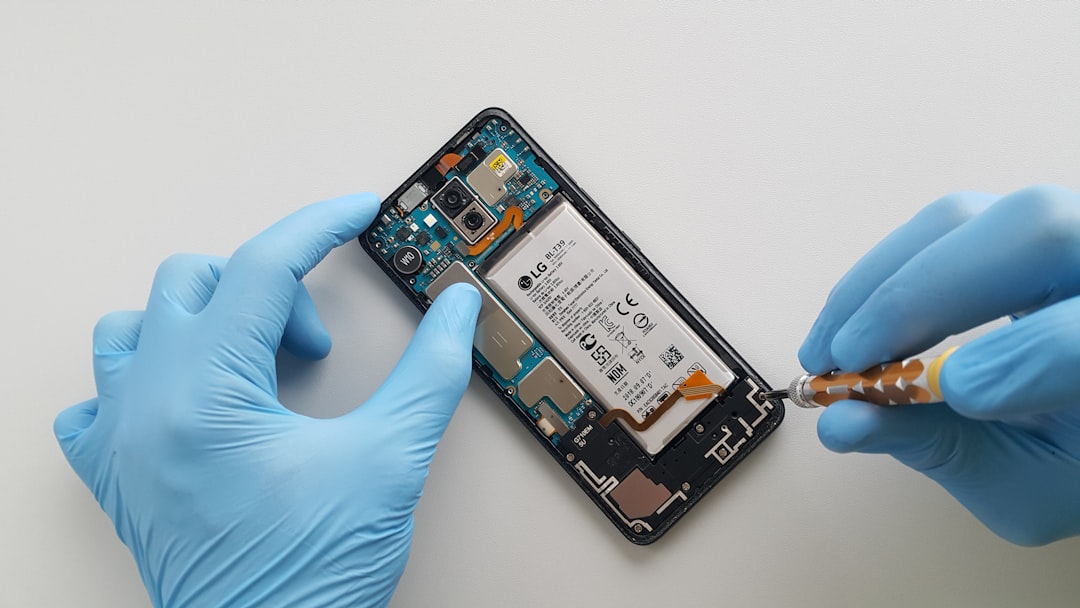
- Design Review — Evaluate your current battery access structure (adhesive-based, screw-fixed, or modular) at the blueprint level.
- Consult Certified Labs — Engage with certified testing bodies like TÜV or SGS for a professional compliance assessment.
Question 2. If we switch to a replaceable design, must we sacrifice our current USP?
The conflict between waterproofing/slimness and repairability
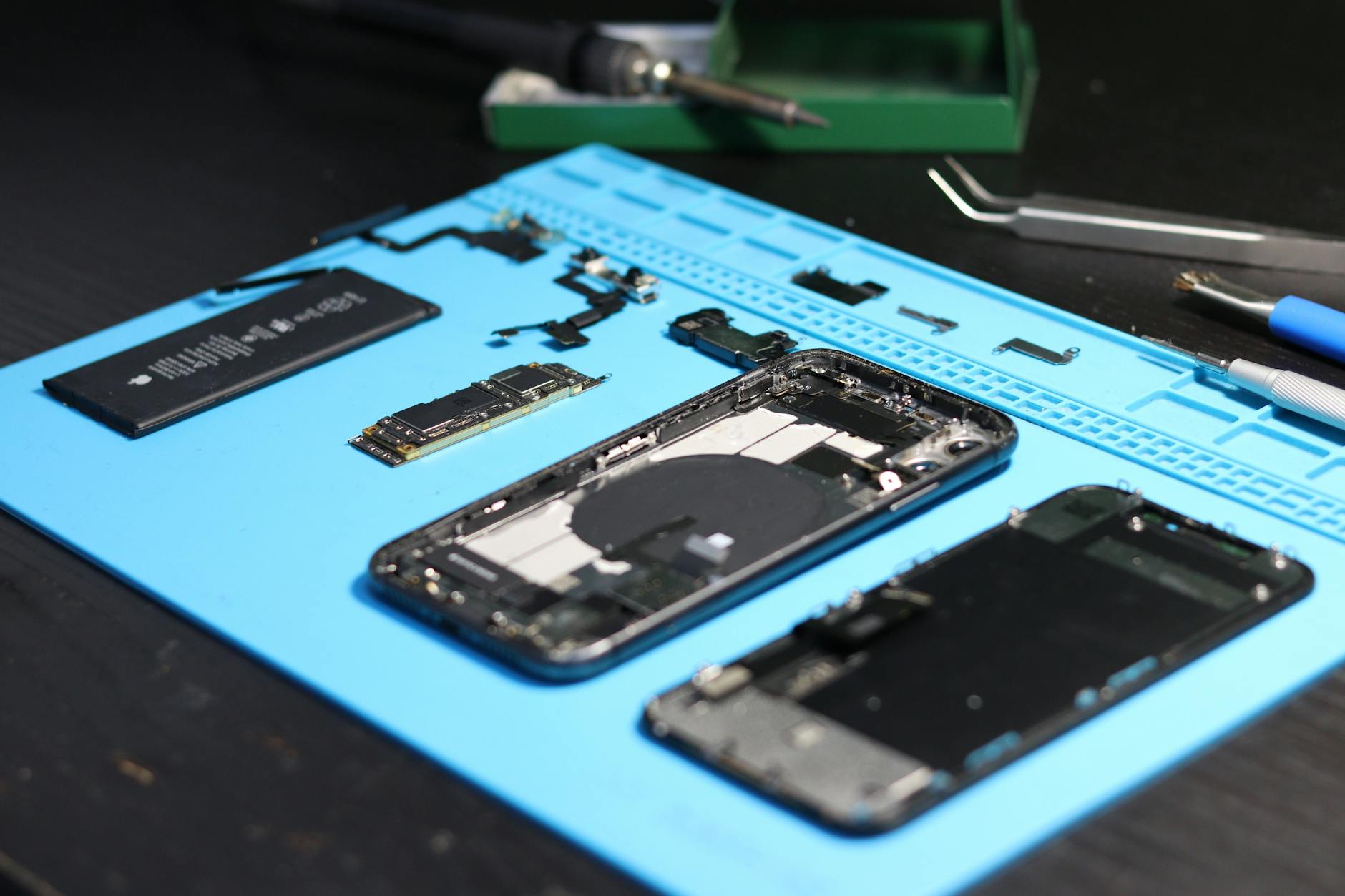
This is the biggest hurdle for exporters. Achieving IP67/68 ratings often involves sealing the interior—including the battery—with adhesives. Adding a battery-access door breaks this seal. Slimness is also affected, as the required fasteners, covers, and gaskets add bulk. For manufacturers of industrial devices that rely on these features, the EU mandate could force a complete marketing teardown.
Can we bypass the rule with 'technically replaceable' but inaccessible designs?
Some may attempt to meet the letter of the law while keeping actual access difficult. For example, if a design requires removing 12 screws and complex cabling, is it truly 'consumer-replaceable'? The EU Commission is still debating how to interpret this grey area.
Why Chinese manufacturers (Xiaomi, Oppo, etc.) might have an edge
We cannot ignore the competitive landscape. Chinese manufacturers have more experience with modular designs and removable battery lineups. Some believe the EU regulation might inadvertently favor them. We strongly recommend researching how your key competitors are preparing for these regulatory changes.
Question 3. Does a replaceable battery design actually reduce e-waste?
Why the 'Replaceable = Eco-friendly' assumption is incomplete
Driven by the 'Right to Repair' movement, the EU wants to make sustainable design standard. While theoretically sound—replacing a battery instead of the device is better—whether 'design-possible' leads to 'actual consumer behavior' is another story. Behavioral economics shows consumers often prefer buying new devices or visiting service centers despite these options.
Future implications: Will other regions follow?
As the US, UK, and Japan explore similar 'Right to Repair' legislation, the EU regulation may become a global standard. The central business question is: Will you run a separate design line for the EU or update all product lines globally? Complexity versus cost is at the heart of this decision.

Crisis or opportunity for Korean suppliers?
New component standards
This is not just for finished goods manufacturers. Suppliers of battery connectors, fasteners, and housing modules will see new demands. This transition creates opportunities for specialized, standardized components. Monitoring CEN/CENELEC developments is vital to identifying which technical standards will dominate.
Proactive steps for SME suppliers
Don't invest heavily in unverified standards yet. First, align with the 2027 roadmaps of your OEM/ODM customers. Once their design direction is clear, the window for competitive component development will open.
Immediate Actions: The 2027 Export Compliance Checklist
5 steps for Design, Legal, and Sales teams
- Verify Scope — Match your EU export list against the definitions in EU 2023/1542.
- Evaluate Accessibility — Check how many steps are currently needed to reach the battery.
- Early Testing — Pre-screen your design with TÜV, SGS, or Intertek.
- Competitive Intelligence — Track 2027 design changes by major competitors.
- Supply Chain Sync — Share updated schedules and design requirements with downstream suppliers.
Why Rinda discusses this
We frequently observe exporters missing critical windows for regulatory adaptation. When a regulation impacts both hardware design and market access, early intervention matters. If you are targeting the EU market, now is the time to act.

Author · RINDA Sales Research Team
We produce actionable strategies and checklists based on proprietary data from over 200+ Korean exporters.
If you want to know how RINDA or Grinda.ai supports export operations and buyer discovery, feel free to contact us for a consultation.