
How AMOC Slowdown Is Disrupting Food Sourcing and Logistics—3 Risk Pathways Every Export Business Should Know
RINDA Japan Market Desk · Go-to-Market for Korean Exporters Entering Japan Last month, an export manager at a Korean seafood processing company came to us with a concern. 'We've been shipping processed mackerel to Northern Europe, and our Norwegian buyer suddenly said they want to cut the contract volume in half because they can't predict North Sea catch volumes going forward. I can't tell whether this is a genuine climate issue or just a negotiating tactic.'
How AMOC Slowdown Is Disrupting Food Sourcing and Logistics—3 Risk Pathways Every Export Business Should Know
RINDA Japan Market Desk · Go-to-Market for Korean Exporters Entering Japan
AMOC slowdown—the disruption of Atlantic Ocean circulation—is quietly redrawing the global map of food sourcing and supply chains. For anyone in the export business, this shift in ocean currents is not a distant scientific curiosity. It is a risk that reaches directly into your P&L.
Last month, an export manager at a Korean seafood processing company came to us with a concern.
"We've been shipping processed mackerel to Northern Europe, and our Norwegian buyer suddenly said they want to cut the contract volume in half because they can't predict North Sea catch volumes going forward. I can't tell whether this is a genuine climate issue or just a negotiating tactic."
Our first instinct was: "Sounds like a standard price negotiation move." But the more we dug in, the more it became clear that something more structural was at play.
AMOC (Atlantic Meridional Overturning Circulation)—the vast deep-ocean current system that includes the Gulf Stream—is slowing down, and it is quietly reshaping the global landscape of food and logistics.
What Is AMOC Slowdown—and Why It Matters to Export Businesses
AMOC stands for Atlantic Meridional Overturning Circulation. It is a large-scale ocean current system that circulates water throughout the North and South Atlantic, including the Gulf Stream. Warm surface water flows northward, cools near the Arctic, sinks to the ocean floor, and returns southward as a deep current. This Atlantic circulation has long been the engine behind Europe's mild, temperate climate.
The key word here is "has been."
Multiple studies published in Nature Climate Change (2024) show that AMOC flow rates have been declining over the past several decades. The mechanism: melting of the Greenland ice sheet is flushing enormous volumes of freshwater into the North Atlantic, lowering salinity and weakening the "sinking" process that drives the circulation.
So what does AMOC slowdown actually mean for businesses exporting food and industrial materials? There are three main risk pathways.
Pathway 1: Fishing Ground Shifts in the North Atlantic and Food Sourcing Risk
As AMOC weakens, water temperature distributions in the North Sea and Norwegian Sea change. Norway's Institute of Marine Research has already documented a declining trend in North Sea cod stocks since the mid-2010s.
When shifting temperatures push fish populations northward or into deeper water, the cost of catching fish in traditional fishing grounds rises. The "cut the contract volume in half" message the Korean manufacturer received is entirely consistent with buyers trying to hedge against growing uncertainty in catch volumes.
Pathway 2: Impact on West Africa's Agricultural Belt
One finding that caught us off guard: research suggests that AMOC slowdown could weaken the West African monsoon (rainy season) (simulations published by the University of Leeds and others, 2023).
West Africa accounts for roughly 70% of global cocoa production (per ICCO—the International Cocoa Organization). If seasonal rainfall patterns shift, cocoa yields take a direct hit. For Japan's food manufacturers, the cost of sourcing chocolate ingredients is anything but remote from this story.
Pathway 3: Weather Risk on North Atlantic Shipping Routes Hits Supply Chains
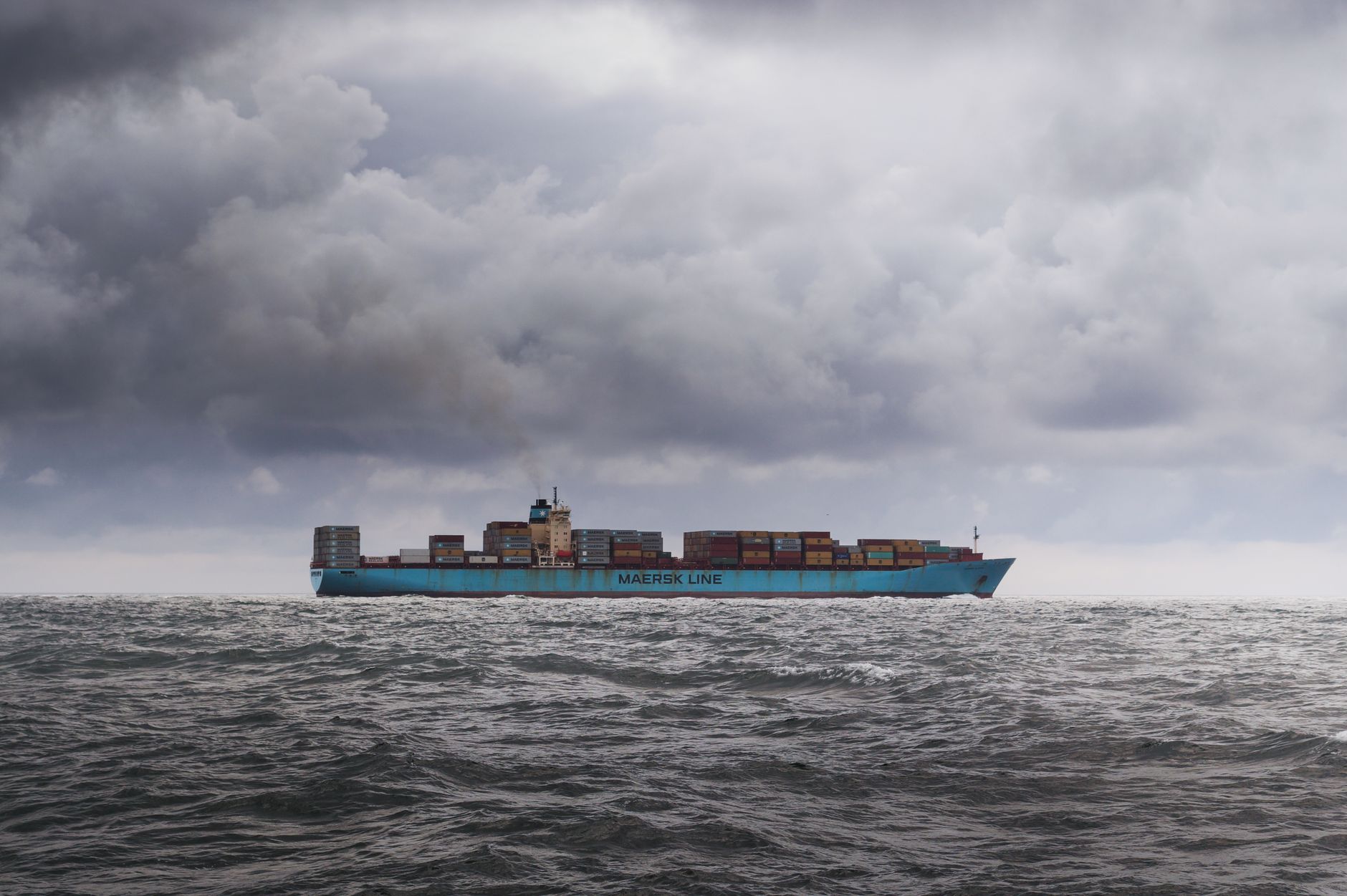
A slowdown in Atlantic circulation can destabilize weather patterns across the North Atlantic. If storm frequency increases along the major Europe–North America shipping corridors, marine insurance premiums and transit times both go up.
In recent years, we have already seen a run of logistics bottlenecks: Houthi attacks on vessels transiting the Suez Canal (2024), drought-driven transit restrictions at the Panama Canal (2023–2024). North Atlantic route instability could emerge as a third major chokepoint.