
Mexico, Saudi Arabia, the US—The 'Real Reason' Behind Japan's Sudden Expansion of Oil Sources Isn't in Japan
When discussing oil import diversification with a chemical manufacturer, a surprising fact emerged: the shift wasn't led by Japanese policy, but by structural changes on the seller's side. Here’s what B2B exporters can learn.
Key takeaways
- , the diversification of oil sources is less about "Japan’s energy strategy getting smarter" and more about "the global supply structure changing, and Japan adapting to that tide."
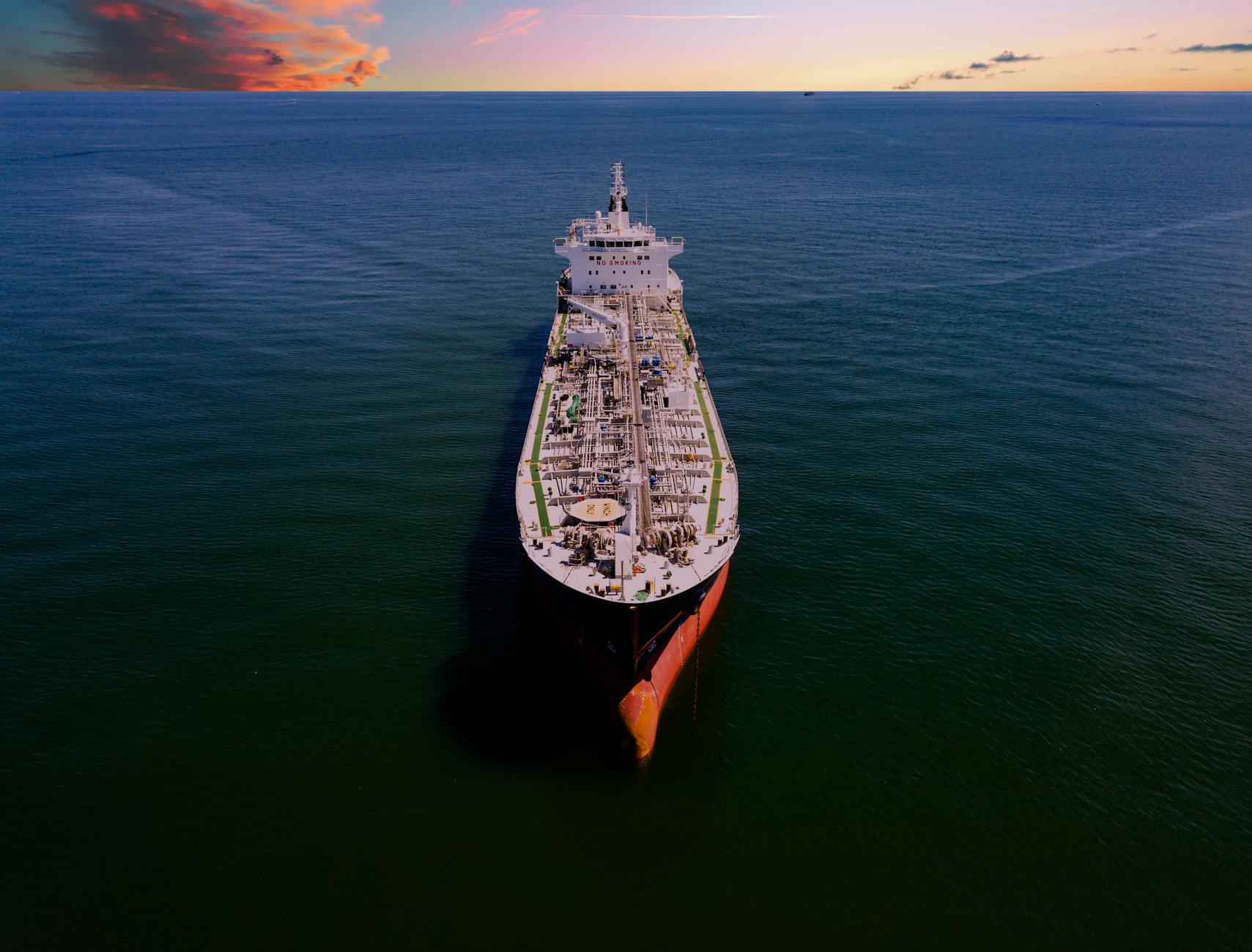
Mexico, Saudi Arabia, the US—The 'Real Reason' Behind Japan's Sudden Expansion of Oil Sources Isn't in Japan
I was speaking online recently with an international sales representative from a chemical manufacturer. During our conversation, a surprising truth about the diversification of Japan’s crude oil sourcing came to light.
"Japan's oil sources have become so diverse recently, haven't they? It directly affects our raw material costs, so we're keeping an eye on it. Was that a result of the Japanese government's hard work?"
To be honest, we initially thought the same thing. We assumed it was a strategic decision by Japan to bolster energy security and diversify its procurement base.
However, when we traced the data carefully, a completely different picture emerged: The primary reason for the increase in suppliers was rooted in the circumstances of the "sellers."
The Reality of 'Diversification' in Numbers
According to the "Energy White Paper 2024" published by the Ministry of Economy, Trade and Industry (METI), Japan's dependence on the Middle East for crude oil imports in fiscal 2023 was approximately 95%.
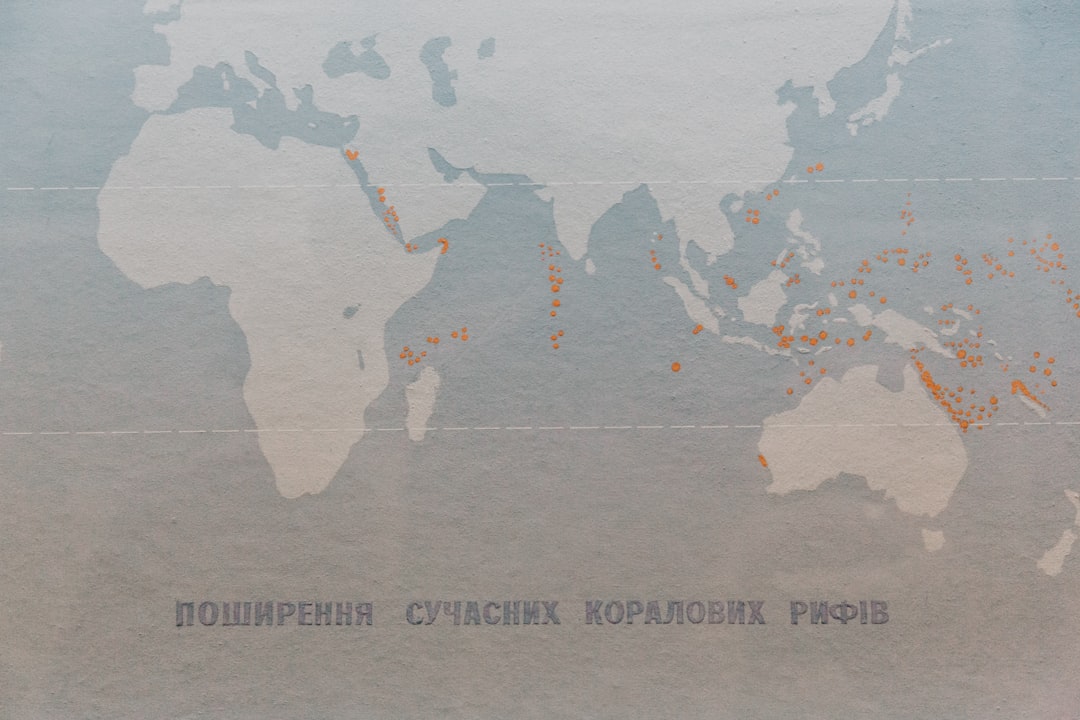
You might wonder, "Is 95% really considered diversified?" However, the shift lies in the internal breakdown.
In fiscal 2018, just two countries, Saudi Arabia and the UAE, accounted for about 60% of the total. By fiscal 2023, while still high, their shares (Saudi ~39%, UAE ~33%) had declined, while imports from Kuwait, Qatar, and non-Middle Eastern countries like Mexico, Ecuador, and the US began to climb.
According to monthly statistics from the Agency for Natural Resources and Energy, there were even months in 2023 when imports from Mexico doubled compared to the previous year. US crude oil (primarily WTI-grade shale oil) has also seen regular, albeit small, shipments to Japan since the US lifted its export ban in 2015.
This leads to the question: Why did these 'non-traditional' suppliers suddenly start shipping to Japan?
3 Structural Changes on the Seller's Side—An International Sales Perspective
The Ripple Effect of 'Voluntary Cuts' by OPEC+
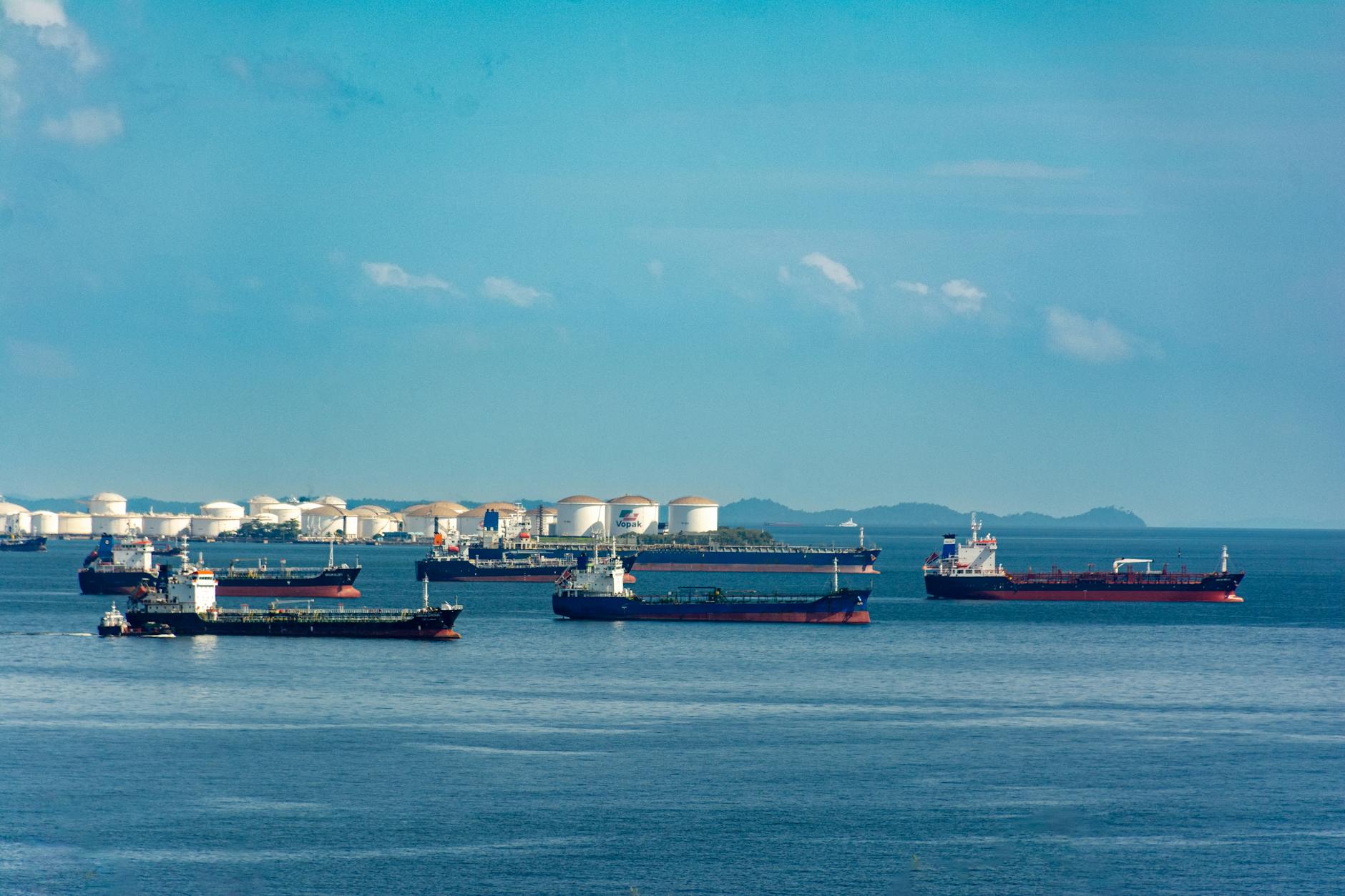
Since 2023, OPEC+ (the alliance of OPEC and non-OPEC producers like Russia) has progressively tightened voluntary production cuts. Saudi Arabia implemented an additional voluntary cut of 1 million barrels per day starting in July 2023 and extended it well into 2024.
"Cutting production" simply means limiting available supply. If Saudi Arabia reduces output, Japanese oil refiners must find that volume elsewhere.
This is where nations outside OPEC or those less constrained by cut quotas come in—Mexico, the US, Brazil, and Guyana. They are filling the "empty shelves" by aggressively selling their oil into the Asian market.
In other words, Japan didn't actively broaden its supplier base; rather, the traditional suppliers curtailed supply, and other sellers moved into the gaps. This is the first pillar of this structural change.
The 'Export Phase' of the US Shale Revolution
Another factor is the shift in the United States.
For 40 years until 2015, the US legally prohibited crude oil exports. After the ban was lifted, exports surged; according to the EIA, the average export level in 2023 reached about 4.2 million barrels per day.
US crude oil differs from Middle Eastern varieties. It is primarily light, sweet shale oil, which some Japanese refineries can process.
The key is that US producers are in a phase of 'actively seeking buyers.' The premium Asian market (Japan, Korea, India) is an attractive destination and sits at the core of their export strategy.
For Japanese refiners, buying US or Mexican crude on the spot market makes rational sense when prices are competitive.
The 'Invisible Pressure' of Geopolitical Risk
Third is the impact of the Russia-Ukraine situation.
According to data from the Agency for Natural Resources and Energy, Japan's import ratio of Russian crude oil dropped from about 3.6% in fiscal 2021 to near-zero in fiscal 2023 (excluding LNG from Sakhalin-2).
Having to avoid Russian oil necessitated finding other sources. While this was a Japanese decision, the catalyst was geopolitical instability on the supply side.
How This Connects to International Sales
If you're asking, "What does this oil talk have to do with my job?", there is a lesson here relevant to anyone in international or B2B sales.
Market Movement is Driven by 'Seller Circumstances'
When Japanese companies sell products overseas, we often think about "how to sell" or "which country to target." In reality, however, a buyer's procurement behavior is often changed by 'the actions of other sellers.'
The crude oil market proves this. Saudi Arabia cut production, creating an opening for Mexico. Russia was excluded, allowing the US to step in.
This same phenomenon occurs in B2B manufacturing sales. For example, if a local buyer in Southeast Asia experiences persistent quality issues with a long-term Chinese supplier, that is the exact moment they seriously consider a quote from a "Made in Japan" competitor.
And here is the crucial point: you won't even notice this "moment the shelf opens" unless you have existing touchpoints with that Southeast Asian buyer. Exhibiting at a trade show once a year is almost always too late to catch the timing.
The chemical manufacturer representative I mentioned earlier had this to say: "Right after we established an online connection with a Thai buyer, they reached a point where they were reviewing their relationship with their Chinese supplier. That’s when the first formal inquiry arrived." The timing wasn't a coincidence; it was only possible because they had been "staying visible" consistently.
To detect these "shelf-opening moments" in Southeast Asian markets, you need a mechanism to continuously track buyer data and behavior. Systematizing the journey from buyer discovery to automated sales approaches is becoming the core of modern international sales.
Looking at cases of companies using buyer data to connect with Southeast Asian wholesalers, a common pattern is that inquiries didn't come "out of nowhere"; they came from contacts who had been nurtured through continuous outreach. Waiting for market shifts while staying visible—companies that master both are the ones that slide into place when the shelf clears.
Being There the Moment the 'Shelf Opens'
Returning to oil, Mexico didn't gain share in Japan through aggressive promotion. They succeeded because the moment the Saudi shelf opened, Mexican oil was already available on the spot market.
In international sales, "being there the moment the shelf opens" is decisively important.
Showing up at one trade show a year and then waiting won't help you catch that timing. You need a system—whether via cold emails or ongoing digital presence—to keep notifying the market of your existence.
This isn't just for large corporations. It is arguably more critical for SMEs. Large firms benefit from global brand recognition, but for an SME, simple "presence" is often the greatest hurdle.
Decoding 'Why Now' in Global Business
Finally, there is one more perspective to draw from this story.
I often hear from Japanese companies, "We don't know the right timing for overseas expansion."
The crude oil example shows that timing isn't something you create yourself; it is decided by "whether you can detect changes in the external environment and move quickly."
According to a survey by JETRO on the overseas business expansion of Japanese companies, about 46.0% of SMEs considering export growth cite "difficulty in gathering local market information" as their primary challenge.
Market information isn't just macro-economic statistics. Knowing that "a particular buyer in a particular country is looking for a new supplier right now"—that is the level of real-time intelligence that determines success.
In the oil market, traders monitor spot prices and production trends daily. International sales in manufacturing need similar systems to measure the "market's temperature."
Summary
Japan’s crude oil sourcing is diversifying. While it looks like a Japanese strategic shift, it was actually triggered by structural changes on the seller side—OPEC cuts, US export deregulation, and the exclusion of Russia.
Here are 3 takeaways for international sales:
- Market movements are often driven by the circumstances of 'other sellers.'
- Being 'present' the moment a shelf opens is a prerequisite for winning orders.
- A mechanism for gathering information to interpret 'why now' from external changes is indispensable.
While the energy market and your B2B products may seem worlds apart, the principle of "seizing supply gaps" is the same. What kind of "shelves" are beginning to open in your industry right now?
Coming Next: Next time, we'll discuss "Japanese product categories that buyers in Southeast Asia are currently hunting for—trends in online inquiry data that you won't see at trade shows." Stay tuned.
To effectively navigate these market changes, it’s essential to engage in international sales that accurately capture local needs.
Rinda helps you capture these changes with actionable buyer data. Find out more here:
Rinda | B2B Global Sales AI Agent for Overseas Expansion For consultations or inquiries, please feel free to reach out via LINE. Add LINE friend
FAQ
Q1. How can I specifically find 'the moment the shelf opens' in international sales?
The first step is regularly monitoring the movements of competing suppliers (e.g., quality issues, delivery delays, or market exits). Continuous engagement through industry news and regular contact with local buyers makes it easier to capture near-real-time intel. For example, one food manufacturer utilizing buyer data detected a Southeast Asian wholesaler re-evaluating a Chinese supplier, leading to a formal inquiry within three months of initial contact.
Q2. Can SMEs utilize these structural changes in their sales strategy like the oil market?
Yes, and in some ways, SMEs may have a agility advantage that allows them to move faster. While large corporations get bogged down in internal processes, SMEs can often quickly respond to spot-market needs. The key is to prepare by having a system in place to "stay visible" as you expand overseas.
Q3. What is the biggest lesson from the oil trade for B2B export strategy?
That "markets don't move based on your efforts alone." The market moves based on changes in the external environment, and the ability to detect those changes and pivot to occupy an "empty shelf" defines success. You need an active stance that keeps your antennas up and your systems ready, rather than a passive wait-and-see attitude.
#InternationalSales #ExportBusiness #OilProcurement #B2BSales #OverseasExpansion #ExportStrategy #ColdEmail #EnergySecurity #SMEExports